
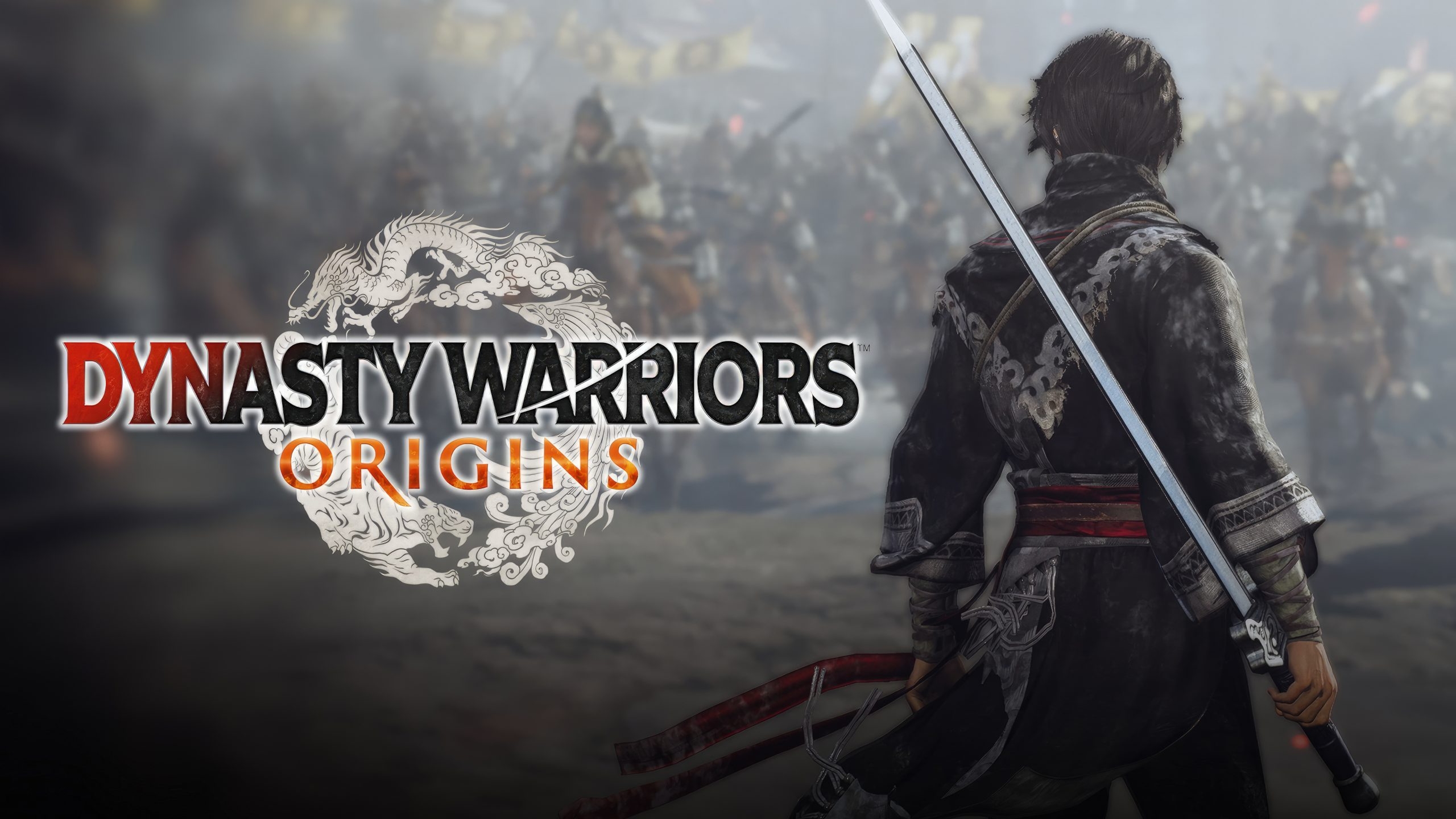
Dynasty Warriors: Origins is the tenth main installment in the long-running Musou franchise developed by Omega Force and published by Koei Tecmo. Released on January 17, 2025, for PlayStation 5, Windows, and Xbox Series X/S, the game marked a major turning point for the series after years of mixed reception.
Unlike previous entries, Origins does not simply continue the formula. Instead, it rethinks the structure, narrative scope, and gameplay depth of the franchise. Within a month of launch, the game surpassed one million units sold worldwide, signaling renewed interest in a series that some fans feared had grown stagnant.
For longtime Dynasty Warriors players and newcomers alike, Origins represents both a return to form and a calculated reinvention.
Dynasty Warriors: Origins – Official Launch Trailer
What Is Dynasty Warriors: Origins About?
Like its predecessors, Origins is based on the classic Chinese historical novel Romance of the Three Kingdoms, but it approaches the story differently. Instead of retelling the entire saga, the game focuses primarily on the first half of the novel, offering a more detailed and character-driven narrative.
The story centers on Ziluan, an amnesiac wanderer searching for the hero destined to unify China. Rather than simply observing historical events, Ziluan plays a decisive role in shaping them. Throughout the campaign, players influence major turning points in the early Three Kingdoms era.
What makes Origins stand out is its branching storyline system. Early in the narrative, players determine which leader they believe is destined to unite China: Liu Bei, Cao Cao, or Sun Jian (later followed by Sun Ce and Sun Quan). This choice affects alliances, available battles, character bonds, and ultimately the ending.
Each faction path splits into two possible endings. One adheres closely to traditional Three Kingdoms events, while the other requires completing challenging objectives that alter historical outcomes. These alternate routes reward mastery and offer significant replay value without spoiling the core historical arc.
Gameplay – Classic Musou Action Meets Strategy
At its heart, Origins remains a hack-and-slash Musou experience. Players cut through waves of enemies, execute flashy combo chains, and unleash powerful special attacks across massive battlefields. However, this time the scale feels genuinely next-generation.
Omega Force set a development goal of displaying up to 10,000 soldiers on-screen simultaneously. The result is chaotic, cinematic warfare that feels far denser than previous installments. The battlefield no longer feels like isolated enemy clusters but rather a living warzone.
Strategic elements are also more pronounced. While controlling Ziluan directly, players can issue commands to allied units and coordinate battlefield objectives. You are not merely mowing down enemies; you are influencing the broader flow of war.
Weapon customization and character progression systems have also been expanded. Players can equip different weapon types, adjust combat styles, and develop synergies with allied generals. A chosen companion general can assist in battle, adding another layer of tactical flexibility.
Combat feels tighter and more deliberate than in some past entries. Instead of purely mindless crowd-clearing, encounters often require positioning, timing, and awareness of enemy officers.
Branching Paths and Replay Value
One of the most significant additions to Origins is its branching narrative system. Choosing to align with Liu Bei, Cao Cao, or the Sun family dramatically reshapes the campaign structure.
Certain battles only appear on specific routes. Character relationships differ depending on your allegiance. Even key story developments change based on player decisions and performance.
The alternate endings, which require fulfilling difficult objectives or preventing major historical losses, encourage players to revisit campaigns. Rather than simply replaying the same stages, you experience meaningful narrative divergence.
For a franchise often criticized for repetitive storytelling, this represents a substantial evolution.
Development – Reinventing the Series
Dynasty Warriors: Origins is the first major console entry in seven years that is not a mobile spinoff. After the PlayStation 5 launched, Omega Force halted development of what would have been Dynasty Warriors 10. Instead, resources were redirected toward Origins.
Producer Tomohiko Sho stated that fans were beginning to feel fatigue with the traditional formula. Rather than releasing another incremental sequel, the team chose to rebuild the experience around new hardware capabilities.
The game was designed specifically with PlayStation 5 hardware in mind, focusing on large-scale battles, improved visuals, and more dynamic combat feedback. This decision reflects a conscious effort to modernize the Musou identity without abandoning its core appeal.
A major DLC expansion was announced during the franchise’s 25th anniversary event, signaling continued support and long-term investment.
Critical Reception
According to Metacritic, Dynasty Warriors: Origins received generally favorable reviews, with the PC version scoring 84/100 and console versions averaging 79/100. OpenCritic reported that 85% of critics recommended the game.
IGN praised its refined combat, improved storytelling, and replay value, calling it one of the strongest entries in years. CGMagazine described it as reclaiming lost goodwill for the franchise.
However, not all reviews were glowing. Some critics argued that despite improvements, the game still carries structural remnants of older Musou design. A few described it as solid but not revolutionary.
Overall, the reception suggests that Origins successfully refreshed the formula, even if it did not completely reinvent it.
Sales Performance
In Japan, the PlayStation 5 version sold over 63,000 physical units in its first week, making it one of the top-selling titles at launch. By mid-February 2025, the game had surpassed one million units sold worldwide.
For a franchise that had seen declining enthusiasm in recent years, this milestone signaled renewed momentum.
Is Dynasty Warriors: Origins Worth Playing?
Yes, especially if you felt that previous Dynasty Warriors entries had grown repetitive. Origins feels purposeful and modernized without discarding what makes Musou satisfying.
The branching narrative paths provide meaningful replay value, and the increased battlefield density makes battles feel grander and more immersive. While the core hack-and-slash structure remains intact, the added strategic elements and narrative depth make the experience feel less formulaic.
For newcomers, Origins is also a solid entry point. Its focused storyline and improved mechanics make it more approachable than some earlier installments.
Why Should You Play Dynasty Warriors: Origins?
You should play Dynasty Warriors: Origins if you enjoy large-scale historical warfare with fast-paced combat. The sensation of carving through thousands of soldiers while commanding your faction’s advance remains uniquely satisfying.
You should also consider it if you value branching storylines in action games. Few Musou titles have offered this level of narrative flexibility.
Finally, you should play it to see how a long-running franchise attempts to evolve. Origins may not abandon its roots, but it demonstrates that Omega Force is willing to rethink and refine rather than repeat.
FAQ
When was Dynasty Warriors: Origins released?
It was released on January 17, 2025, for PlayStation 5, Windows, and Xbox Series X/S, with a later release on Nintendo Switch 2 in January 2026.
How many endings does Dynasty Warriors: Origins have?
Each faction route has two possible endings, resulting in multiple outcomes depending on player decisions and objectives.
Is Dynasty Warriors: Origins open world?
No, it features large battlefields rather than a fully open-world structure, focusing on structured campaign stages.
How many copies has Dynasty Warriors: Origins sold?
The game surpassed one million units sold worldwide within its first month.
Is Dynasty Warriors: Origins good for new players?
Yes. Its refined mechanics and focused storyline make it one of the more accessible modern entries in the series.
Final Thoughts
Dynasty Warriors: Origins represents a calculated reset rather than a simple sequel. By narrowing its narrative scope and expanding strategic depth, it attempts to modernize a franchise that had grown predictable.
While not flawless, it proves that large-scale hack-and-slash action can still evolve. For fans of historical epics and battlefield chaos, Origins delivers both spectacle and substance in equal measure.
Thank you for reading and make sure to bookmark the site, comment and follow up on the newest posts!
How useful was this post?
Click on a star to rate it!
Average rating 0 / 5. Vote count: 0
No votes so far! Be the first to rate this post.