
 8.0/10
Slay the Spire II is the long-awaited sequel to one of the most influential roguelike deck-building games ever created. Developed by Mega Crit, the game builds on the foundation of its predecessor while introducing major new systems, characters, and even multiplayer features.
Released in early access in March 2026, Slay the Spire II immediately drew massive attention, proving that the formula that made the original game a global hit still has plenty of room to evolve.
Slay the Spire II – Official Trailer
What Is Slay the Spire II About?
At its core, Slay the Spire II follows the same addictive concept: you choose a character, build a deck of cards, and climb a mysterious spire filled with enemies, events, and powerful bosses.
Each run is different. The map changes, the enemies vary, and your deck evolves depending on your decisions. The goal remains simple on the surface—reach the top—but the journey is where the game truly shines.
The sequel expands on this formula by introducing new story elements through a Timeline/Epoch system, giving players more insight into the world and its characters as they progress.
Gameplay – Familiar but Deeper
Slay the Spire II keeps the turn-based card combat that made the original game so successful, but adds more layers of depth.
Players still use energy each turn to play cards, combining attacks, defenses, buffs, and debuffs to survive encounters. However, the sequel introduces more variety in encounters and environments, making each run feel less predictable.
One of the biggest additions is the concept of alternate acts, where each stage of the spire can have different versions. This means even experienced players cannot rely on memorization alone and must constantly adapt.
The game continues to reward strategy, planning, and risk-taking, ensuring that every decision—from choosing a path to picking a card—matters.
Characters – Old Favorites and New Faces
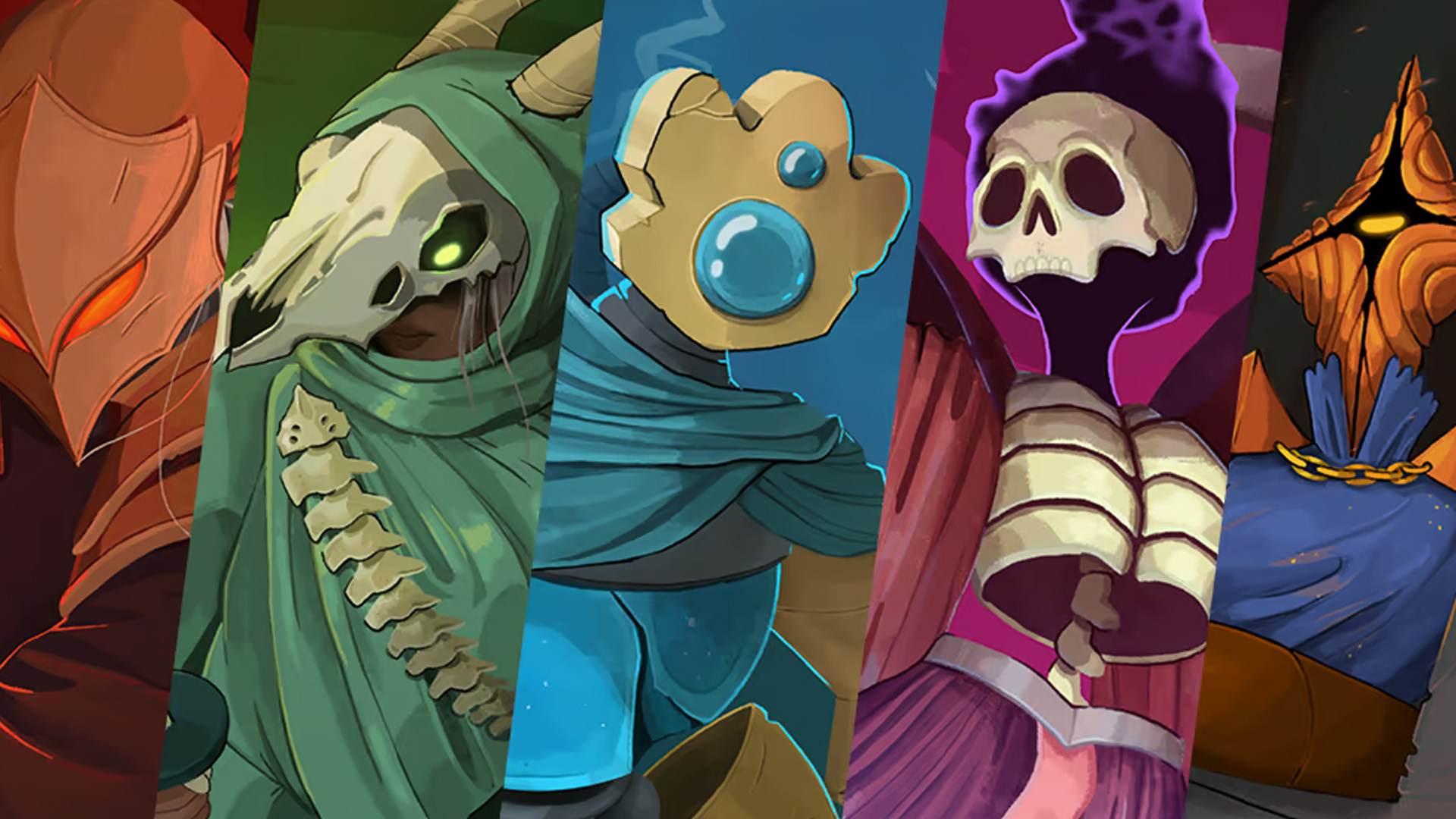
The game launches with five playable characters, combining returning favorites with new additions.
The Ironclad, Silent, and Defect return from the original game, each maintaining their unique playstyles while benefiting from new cards and mechanics.
Two brand-new characters bring fresh strategies to the table:
- The Necrobinder, who fights alongside a skeletal companion that can attack and absorb damage
- The Regent, who uses a special resource system called “stars” to power unique abilities
These new characters significantly expand the strategic possibilities, encouraging players to experiment with different builds and playstyles.
Co-op Mode – A Major Game Changer
One of the biggest innovations in Slay the Spire II is the introduction of four-player co-operative gameplay.
For the first time, players can climb the spire together, each controlling their own character while supporting their teammates with buffs, healing, and strategic plays.
Enemies are adjusted to match the increased power of multiple players, targeting the entire group and presenting new challenges that require coordination and teamwork.
Even when a player is defeated, the run continues, adding a layer of resilience and cooperation that completely changes how the game is experienced.
Progression and Replayability
Like its predecessor, Slay the Spire II is designed around replayability.
Each run is procedurally generated, ensuring no two climbs are exactly the same. Players unlock new content over time, including cards, relics, characters, and story elements.
The new Timeline/Epoch system adds a sense of long-term progression, giving players reasons to keep playing beyond just winning runs.
Failure is not punishment—it is part of the experience. Every loss teaches something new, making future attempts more strategic and rewarding.
Development – A Bold Shift Behind the Scenes
The development of Slay the Spire II took an interesting turn when Mega Crit decided to switch game engines.
Originally built in Unity, the team moved to the Godot engine after industry controversies, effectively reworking years of development. This decision reflects the studio’s commitment to long-term control and quality.
Despite these challenges, the game launched in a strong state, with early access focusing on balancing and refinement rather than missing features.
Reception and Early Success
Slay the Spire II made a huge impact immediately after release.
Within its first days, the game reached hundreds of thousands of concurrent players and sold millions of copies during early access, showing just how strong the demand was for a sequel.
Critics and players alike praised its improvements, particularly the addition of co-op and the expanded gameplay systems.
Is Slay the Spire II Worth Playing?
Yes—especially if you enjoyed the original game or like strategy-heavy roguelikes.
Slay the Spire II doesn’t reinvent the formula completely, but it refines and expands it in meaningful ways. The addition of multiplayer alone makes it feel like a fresh experience.
Even in early access, the game offers a deep and highly replayable experience.
Why Should You Play Slay the Spire II?
You should play Slay the Spire II because it takes one of the best deck-building systems ever made and improves it without losing what made it special.
The new characters, alternate paths, and co-op mode create endless possibilities for different strategies and playstyles.
It is also one of the few roguelikes that remains accessible to new players while still offering depth for veterans.
FAQ
What is Slay the Spire II?
It is a roguelike deck-building game where players build a card deck and climb a procedurally generated tower filled with enemies and events.
Is Slay the Spire II multiplayer?
Yes, it introduces a co-op mode for up to four players.
How many characters are in the game?
There are five characters at launch, including three returning ones and two new additions.
Is Slay the Spire II finished?
It is currently in early access, with developers focusing on balancing and improvements.
Do I need to play the first game?
No, but playing the original can help you better understand the mechanics and world.
Final Thoughts
Slay the Spire II proves that sequels don’t need to drastically change everything to feel new. By expanding its systems, introducing multiplayer, and refining its core gameplay, it delivers an experience that feels both familiar and exciting.
Whether you are a longtime fan or a newcomer, climbing the spire has never felt more engaging.
Thank you for reading and make sure to bookmark the site, comment and follow up on the newest posts!
How useful was this post?
Click on a star to rate it!
Average rating 0 / 5. Vote count: 0
No votes so far! Be the first to rate this post.