
 8.8/10
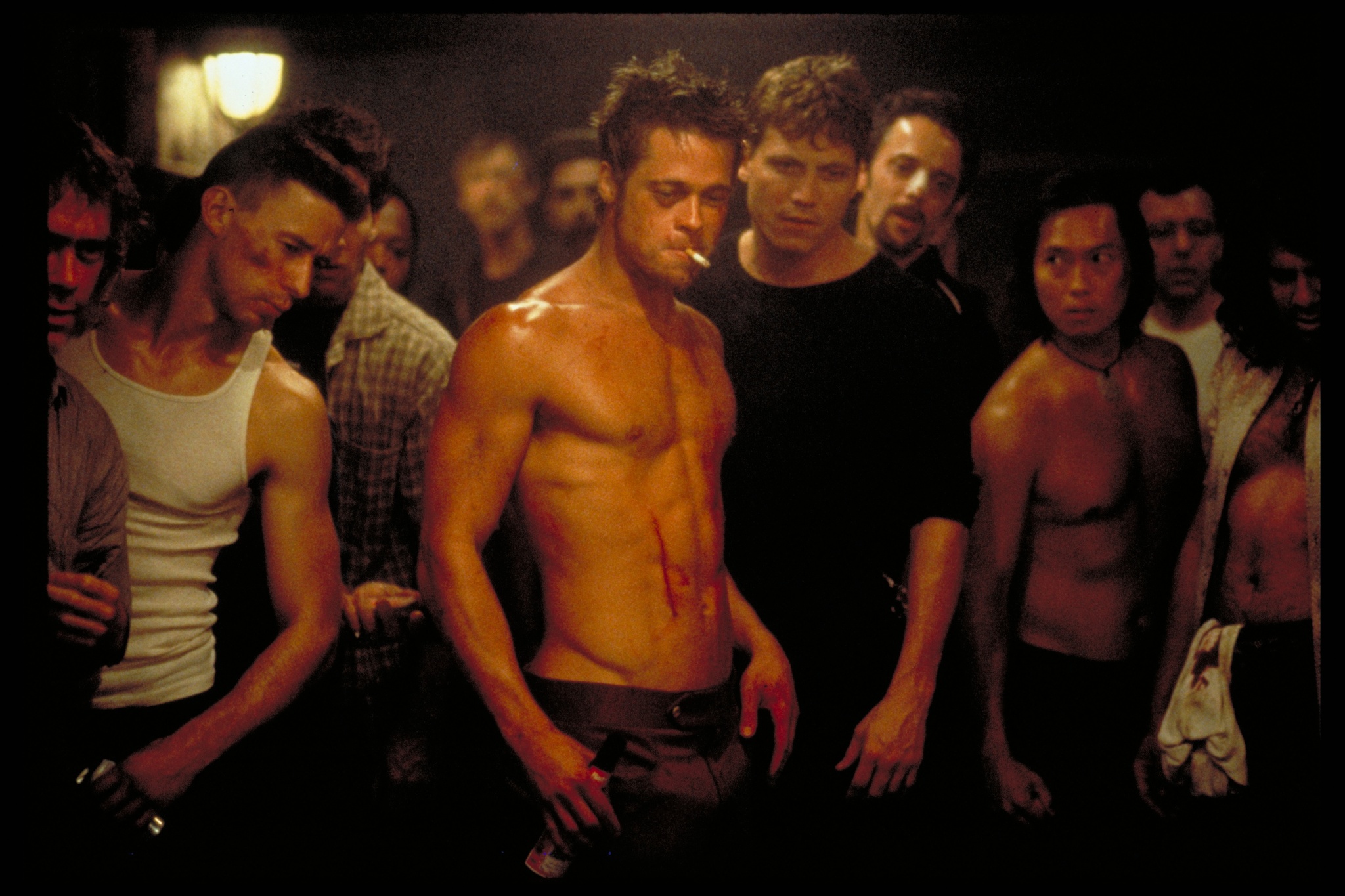
Few films have had the lasting cultural impact of Fight Club. Directed by David Fincher and based on the novel by Chuck Palahniuk, the 1999 psychological drama arrived in theaters to mixed reactions, underwhelming box office numbers, and significant controversy. Yet over time, it transformed into one of the most influential cult films ever made.
What initially appeared to be a story about underground fighting quickly revealed itself to be something much deeper. Beneath its shocking imagery and memorable dialogue lies a complex examination of identity, masculinity, consumer culture, loneliness, and modern dissatisfaction. The film continues to generate discussion more than two decades after its release because audiences constantly discover new interpretations hidden beneath its surface.
Even today, Fight Club remains one of the most analyzed and debated movies in cinematic history. Some viewers see it as a critique of toxic masculinity, while others interpret it as a warning about extremism, consumerism, or personal identity. Regardless of interpretation, its influence on popular culture is undeniable.
Key Highlights
- Released in 1999
- Directed by David Fincher
- Based on Chuck Palahniuk’s novel
- Stars Brad Pitt and Edward Norton
- One of the most influential cult films ever made
- Explores identity, consumerism, and modern alienation
Fight Club – Official Trailer
What Is Fight Club About?
Without revealing the film’s biggest twists, Fight Club follows an unnamed narrator who feels trapped in a repetitive corporate lifestyle.
Struggling with insomnia, emotional emptiness, and a growing sense of dissatisfaction, he searches for meaning in increasingly unusual places. His life changes dramatically after meeting Tyler Durden, a charismatic and unconventional soap salesman who challenges everything he believes about success, happiness, and modern society.
Together, they create an underground fighting group that quickly evolves into something much larger and far more dangerous.
What begins as a personal rebellion against societal expectations slowly transforms into a story about identity, self-destruction, freedom, and the consequences of unchecked ideology.
Key Story Elements
- Psychological drama
- Dark satire
- Social commentary
- Mystery elements
- Unreliable narration
- Character-driven storytelling
Is Fight Club Worth Watching?
Absolutely.
Few films have remained as culturally relevant as Fight Club. While countless movies have attempted to explore similar themes, very few have done so with the same level of style, confidence, and ambition.
The film combines sharp writing, unforgettable performances, innovative visual storytelling, and thought-provoking ideas into an experience that rewards multiple viewings.
What makes it especially compelling is that viewers often notice entirely different details each time they watch it.
Why It Remains Essential Viewing
- Powerful performances
- Memorable dialogue
- Rich symbolism
- Strong themes
- Unique visual style
- Multiple interpretations
Why Should You Watch Fight Club?
Many films entertain audiences for a few hours.
Fight Club stays with viewers long after the credits roll.
The film asks difficult questions about modern life, personal fulfillment, and the pressures society places on individuals. While its ideas remain controversial, they continue to resonate with audiences who feel disconnected from modern consumer culture and traditional definitions of success.
Its blend of psychological tension, dark humor, social criticism, and mystery creates an experience unlike almost anything else released during its era.
Reasons To Watch
- One of the most influential films of the 1990s
- Thought-provoking social commentary
- Exceptional performances
- Memorable twists
- Outstanding direction
- Strong rewatch value
Cast and Characters
One of the film’s greatest strengths is its remarkable cast.
Edward Norton as The Narrator
Norton delivers one of the defining performances of his career as the unnamed protagonist struggling with dissatisfaction and identity.
Character Highlights
- Intelligent but isolated
- Emotionally disconnected
- Searching for purpose
- Central viewpoint of the story
Brad Pitt as Tyler Durden
Tyler Durden has become one of cinema’s most iconic characters.
Confident, charismatic, rebellious, and unpredictable, Tyler represents ideas that challenge conventional thinking and social norms. His influence on both the story and popular culture remains enormous.
Character Highlights
- Charismatic anti-establishment figure
- Memorable dialogue
- Symbolic role within the story
- One of the most recognizable movie characters ever created
Helena Bonham Carter as Marla Singer
Marla serves as one of the film’s most fascinating characters.
Her complicated relationship with the narrator creates many of the story’s emotional and psychological conflicts while adding unpredictability to the narrative.
Character Highlights
- Mysterious personality
- Dark humor
- Emotional complexity
- Essential to the film’s themes
The Themes That Made Fight Club Famous
One reason Fight Club remains relevant is because of its layered themes.
Consumerism and Modern Society
The film questions whether material possessions truly create happiness.
Throughout the story, characters challenge the idea that success should be measured through products, status symbols, or corporate achievement. This critique of consumer culture remains one of the movie’s most discussed aspects.
Key Ideas
- Materialism
- Advertising culture
- Corporate identity
- Personal fulfillment
Identity and Self-Discovery
At its core, Fight Club is a story about self-understanding.
The narrator struggles to define who he really is and what he truly wants from life.
Key Ideas
- Personal identity
- Psychological conflict
- Self-realization
- Emotional growth
Masculinity and Isolation
The film also explores how modern society shapes male identity.
Many characters feel disconnected, directionless, and emotionally isolated. Their search for purpose becomes a major driving force behind the story’s events.
Key Ideas
- Loneliness
- Purpose
- Brotherhood
- Social expectations
David Fincher’s Direction and Visual Style
David Fincher
David Fincher’s directing style helped transform Fight Club into something unique.
The film uses dark cinematography, unconventional camera movements, hidden visual details, and creative editing techniques to immerse viewers in the narrator’s perspective. Many of these techniques were groundbreaking at the time and have influenced filmmakers ever since.
Fincher’s attention to detail rewards repeat viewings, with subtle clues appearing throughout the film that many viewers miss during their first watch.
Visual Highlights
- Distinctive cinematography
- Innovative editing
- Symbolic imagery
- Hidden visual clues
- Memorable production design
Production and Development
Before becoming a film, Fight Club began as a novel published by Chuck Palahniuk in 1996.
Producer Laura Ziskin acquired the rights, and screenwriter Jim Uhls adapted the story for the screen. After several directors were considered, David Fincher ultimately took charge of the project.
The production itself was ambitious and often challenged traditional Hollywood expectations. Studio executives were reportedly uncertain about how to market the film because it did not fit neatly into any single genre.
Production Highlights
- Based on a 1996 novel
- Directed by David Fincher
- Released in 1999
- Filmed primarily in Los Angeles
- Innovative visual effects
Reception and Critical Response
When Fight Club first premiered, reactions were divided.
Some critics praised its ambition, style, and originality. Others criticized its violence and feared audiences might misunderstand its message.
Over time, however, public opinion shifted dramatically.
The film found new life through DVD releases and home media, allowing audiences to revisit and reevaluate it. As more viewers discovered the film, it gained a devoted following and eventually achieved cult-classic status.
Critical Highlights
- Mixed initial reviews
- Strong audience appreciation
- Major cult following
- Frequently re-evaluated by critics
- Considered highly influential today
Why Fight Club Became a Cult Classic
Many cult films gain popularity after their theatrical release, but few reach the level achieved by Fight Club.
The movie’s home video success introduced it to millions of viewers who may have missed it in theaters. Discussions online, repeated viewings, and endless analysis helped transform it into a cultural phenomenon.
Its memorable quotes, iconic characters, and thought-provoking themes continue to inspire discussions decades later.
Reasons For Its Cult Status
- Complex themes
- Memorable performances
- Rewatchability
- Strong fan community
- Endless interpretation
Fight Club’s Lasting Legacy
The influence of Fight Club extends far beyond cinema.
The film inspired discussions about consumerism, masculinity, mental health, and social identity. It remains a common topic in film studies, psychology discussions, and popular culture analysis.
While some interpretations remain controversial, the movie’s ability to generate conversation is one reason it continues to endure.
Even more than twenty-five years after its release, it remains one of the defining films of its generation.
Legacy Highlights
- Major cultural influence
- Frequently analyzed in academia
- Inspired countless discussions
- One of the defining films of the 1990s
- Continues attracting new audiences
Similar Movies You May Enjoy
If you enjoyed Fight Club, consider watching:
- Se7en
- The Game
- American Psycho
- Donnie Darko
- Memento
- The Matrix
These films explore similar themes of identity, reality, psychology, and societal expectations.
FAQ
Is Fight Club based on a book?
Yes. The film is based on the 1996 novel by Chuck Palahniuk.
Who directed Fight Club?
David Fincher directed the film.
Why is Fight Club considered controversial?
The film sparked debate due to its depiction of violence, anti-establishment themes, and complex social commentary.
Was Fight Club successful when it first released?
Not initially. The film performed below expectations at the box office but later became hugely successful through home media and word of mouth.
Why is Fight Club still popular today?
Its themes, performances, direction, and layered storytelling continue to resonate with audiences and encourage discussion decades after release.
Conclusion
Fight Club remains one of the most influential, controversial, and endlessly discussed films ever made. What began as a divisive psychological drama evolved into a cultural landmark that continues to attract new generations of viewers.
Its unforgettable performances, ambitious storytelling, striking visual style, and complex themes ensure that it remains relevant long after many of its contemporaries have faded from public conversation. Whether you view it as a critique of consumer culture, an exploration of identity, or a cautionary tale about extremism, Fight Club remains essential viewing for anyone interested in modern cinema.
If you don’t know where to watch this Movie for FREE make sure to contact me via E-mail, or in the comments below. Thank you for reading and make sure to bookmark the site.
How useful was this post?
Click on a star to rate it!
Average rating 0 / 5. Vote count: 0
No votes so far! Be the first to rate this post.