
 8.3/10
Few racing franchises have influenced gaming and car culture as deeply as Gran Turismo. What began as an ambitious PlayStation experiment in the 1990s developed into one of Sony’s most important franchises, blending realistic driving physics, hundreds of licensed vehicles, extensive tuning, motorsport culture, and an almost obsessive appreciation for automobile history.
Developed by Polyphony Digital, Gran Turismo debuted in Japan in 1997 after years of development led by Kazunori Yamauchi. Rather than following the exaggerated handling and instant-access philosophy of many arcade racers of the period, the series asked players to understand braking, weight transfer, racing lines, traction, oversteer, understeer, and the individual characteristics of the cars they drove.
That emphasis on authenticity did not prevent the games from becoming enormous commercial successes. The franchise has sold more than 100 million units worldwide, making it the highest-selling video game franchise associated with the PlayStation brand according to the supplied material.
Its influence also expanded beyond gaming. Gran Turismo helped introduce players to cars that were previously unfamiliar outside their home markets, influenced real-world manufacturers, created the GT Academy program that turned sim racers into professional drivers, became part of Olympic esports competition, and inspired the 2023 feature film based on Jann Mardenborough’s story.
Highlights
- Developed by Polyphony Digital
- Created by Kazunori Yamauchi
- First released in 1997
- More than 100 million units sold
- PlayStation’s best-selling game franchise
- Known for realistic driving physics
- Features hundreds of licensed real-world cars
- Helped bridge sim racing and real motorsport
Gran Turismo 7 – Official Trailer
What Is Gran Turismo?
Gran Turismo is a series of racing simulation games developed primarily for PlayStation systems.
The franchise attempts to reproduce the visual appearance, handling characteristics, and performance differences of real automobiles while remaining accessible enough for players who may have little experience with realistic driving games. Assists can help newcomers, while more experienced players can disable them and engage with much more demanding handling.
Players typically begin with a limited amount of money and a relatively modest car.
By entering races, passing license tests, winning championships, and completing challenges, they earn credits that can be spent on faster vehicles, upgrades, tuning components, and increasingly specialized machines.
This creates a progression structure that feels almost like a role-playing game.
Rather than immediately handing players the fastest supercars available, traditional Gran Turismo encourages them to gradually build a garage.
That feeling of starting with an ordinary used car and eventually owning legendary road cars, racing prototypes, rally machines, and exotic supercars became one of the franchise’s most satisfying traditions.
Series Highlights
- Realistic driving simulation
- Extensive licensed car collections
- Career progression
- Vehicle tuning and customization
- License tests
- Real and fictional racing circuits
- Online racing in modern installments
- Casual and competitive modes
Is Gran Turismo Worth Playing?
Yes, especially for players who enjoy cars as much as they enjoy racing.
The franchise is not simply about winning races.
A large part of its appeal comes from collecting cars, learning about manufacturers, experimenting with tuning, improving lap times, earning licenses, photographing vehicles, and gradually understanding how different machines behave.
Players who want constant crashes, dramatic shortcuts, and exaggerated speed boosts may prefer arcade racers.
Gran Turismo is much more interested in the satisfaction of taking a corner properly.
That philosophy can initially feel slower, but it becomes extremely rewarding once braking points, throttle control, and racing lines begin making sense.
The series is also unusually effective at making ordinary cars interesting.
A modest Japanese hatchback can matter just as much as a Ferrari when the event restrictions, tuning limitations, or early career progression make it the right machine for the job.
Reasons to Play
- Huge range of cars
- Rewarding driving physics
- Strong sense of progression
- Detailed tuning
- Real-world circuits
- Accessible driving assists
- Serious competitive racing
- Strong appreciation of car culture
Why Gran Turismo Became So Important
The original Gran Turismo arrived at a time when realistic racing games were much less common on home consoles.
Many popular racers prioritized immediate fun through simplified or exaggerated handling.
Kazunori Yamauchi wanted something fundamentally different.
His idea was to create a game where cars behaved according to recognizable physical principles and where the differences between models actually mattered.
The original project reportedly began in 1992 with only five people and eventually expanded to a team of 17. Development took approximately five years. Sony initially rejected Yamauchi’s realistic racing concept before reconsidering after the success of Polyphony’s earlier arcade-style projects.
That persistence changed console racing permanently.
Players discovered that realistic driving did not need to be inaccessible, and manufacturers discovered that games could introduce their cars to millions of enthusiasts around the world.
Why It Mattered
- Made serious driving simulation mainstream on consoles
- Demonstrated the visual potential of PlayStation hardware
- Popularized licensed vehicle collections
- Introduced many players to international car culture
- Encouraged racing-wheel usage
- Influenced later simulation franchises
The Real Driving Simulator
The phrase “The Real Driving Simulator” became closely associated with Gran Turismo from the beginning.
That slogan reflects the franchise’s central philosophy.
Vehicles are designed around real-world behavior rather than merely being different visual skins.
Physics systems account for concepts including:
- Weight transfer
- Suspension behavior
- Understeer
- Oversteer
- Tire grip
- Braking
- Acceleration
- Vehicle balance
A powerful rear-wheel-drive car can behave very differently from a front-wheel-drive hatchback.
A lightweight sports car may carry speed through corners more effectively than something with far greater horsepower.
Suspension tuning can improve one area while making another worse.
The games therefore reward understanding rather than simply purchasing the most expensive car available.
How Gran Turismo Gameplay Works
Traditional Gran Turismo career progression starts modestly.
Players receive a limited number of credits and usually purchase an inexpensive used or entry-level car.
That vehicle becomes the foundation for early racing.
Winning events produces credits and occasionally prize cars, while more difficult events become available as players pass license tests and meet eligibility requirements.
Certain championships restrict entry based on:
- Manufacturer
- Country
- Vehicle type
- Drivetrain
- Engine configuration
- Performance rating
- Racing category
This encourages players to maintain a varied garage instead of relying exclusively on one dominant vehicle.
Money can also be invested into upgrades, allowing an ordinary road car to become dramatically faster through engine tuning, suspension improvements, weight reduction, tires, transmission changes, and other modifications.
Gameplay Loop
- Purchase a starter car
- Enter eligible races
- Win credits and prize vehicles
- Pass license tests
- Upgrade existing cars
- Purchase faster vehicles
- Unlock more demanding championships
- Build a large personal garage
Why the License Tests Matter
License tests are one of the most famous—and occasionally frustrating—features in the franchise.
Rather than functioning simply as artificial progression barriers, they teach actual driving techniques.
Players may be challenged to:
- Brake correctly before a corner
- Follow an efficient racing line
- Control a car through consecutive turns
- Manage traction
- Accelerate efficiently out of corners
- Drive on wet surfaces
- Master advanced vehicle behavior
Completing a test is usually easy enough if the goal is simply to pass.
Earning the best possible result can be considerably harder.
That distinction allows inexperienced players to progress while giving perfectionists something much more demanding to pursue.
The tests also communicate one of the franchise’s core beliefs: becoming faster is not only about buying faster cars.
Sometimes the driver needs improvement.
Tuning and Car Upgrades
Car tuning is central to the Gran Turismo experience.
Depending on the installment and vehicle, players can modify mechanical systems such as:
- Engine performance
- Turbochargers and superchargers
- Exhaust systems
- Suspension
- Brakes
- Transmission gearing
- Tires
- Differential settings
- Aerodynamics
- Weight reduction
More recent entries also offer extensive cosmetic customization.
The real depth appears when advanced tuning becomes available.
Changing suspension stiffness, ride height, gearing, downforce, differential behavior, or brake balance can significantly alter how a car handles.
A tune that works beautifully at one circuit may perform poorly somewhere else.
This gives dedicated players an entire second layer of gameplay beyond simply driving.
Cars and Automotive Variety
The size and diversity of the car roster became one of the franchise’s defining features.
Vehicles range from affordable everyday transportation to rare classics, homologation specials, rally legends, racing prototypes, supercars, and experimental concepts.
The first Gran Turismo featured approximately 150 licensed cars, which was enormous for its era. Gran Turismo 2 expanded the number to approximately 650 vehicles, while later games continued pushing the total significantly higher.
Gran Turismo 6, for example, offered approximately 1,200 cars according to the supplied material.
The roster also helped introduce players outside Japan to performance cars that previously had relatively little international exposure.
Models from Nissan, Mitsubishi, Subaru, Honda, Mazda, and Toyota became dream cars for an entire generation partly because players first encountered them through Gran Turismo.
Car Categories
- Affordable road cars
- Japanese performance cars
- European sports cars
- American muscle
- Supercars
- Classic automobiles
- Rally vehicles
- GT racers
- Le Mans prototypes
- Formula-style machines
- Concept cars
Real and Fictional Tracks
The franchise combines real motorsport venues with original circuits created by Polyphony Digital.
Real-world tracks have become increasingly accurate as hardware and scanning technology improved.
Modern games can recreate circuits using laser scanning and extensive reference data, giving players the opportunity to learn environments used in actual motorsport.
At the same time, fictional tracks became just as important to the franchise’s identity.
Locations such as Trial Mountain became instantly recognizable to long-time players despite not existing in the real world.
This combination gives Polyphony freedom.
Real circuits provide authenticity.
Original tracks provide creative layouts designed specifically around enjoyable racing.
Gran Turismo
The original Gran Turismo launched for PlayStation in Japan in 1997 before reaching international markets in 1998.
Its combination of realistic handling, licensed vehicles, upgrade systems, career progression, and impressive graphics immediately distinguished it from most competing racers.
Players began with entry-level cars, earned prize money, upgraded their machines, and gradually accessed faster vehicles.
The game also used license tests to teach driving skills.
Its approximately 150-car roster was extremely large for the period, while its visual presentation became an important demonstration of what Sony’s first console could achieve.
The original game became the highest-selling title released for the first PlayStation console.
Gran Turismo Highlights
- Released in 1997
- First PlayStation installment
- Around 150 cars
- Introduced career progression
- Featured license tests
- Demonstrated PlayStation graphics
- Became the console’s best-selling game
Gran Turismo 2
Gran Turismo 2 arrived in 1999 and dramatically expanded the original formula.
The car roster grew to approximately 650 vehicles, while rally events became part of the experience.
The amount of content became so large that the game shipped across two discs.
Rather than reinventing the original concept, GT2 focused on scale.
More manufacturers.
More types of racing.
More cars.
More opportunities to create a personalized garage.
That emphasis helped establish the franchise’s reputation for enormous automotive libraries.
Gran Turismo 2 Highlights
- Released in 1999
- Roughly 650 cars
- Introduced rally racing
- Expanded manufacturer selection
- Released across two discs
- Became one of PlayStation’s defining sequels
Gran Turismo 3: A-Spec
The move to PlayStation 2 created a dramatic visual leap.
Gran Turismo 3: A-Spec arrived in 2001 and became one of the most recognizable early demonstrations of PS2 hardware.
The game introduced features such as GT Auto, where players could perform maintenance tasks including oil changes and car washing.
Endurance races also became particularly memorable.
These events demanded sustained concentration, tire management, pit stops, and consistency over long periods rather than simply winning a short sprint.
The game eventually became one of the most acclaimed entries in the entire series.
Metacritic lists it at 95/100 according to the supplied source.
GT3 Highlights
- Released in 2001
- Major PS2 visual showcase
- Introduced GT Auto
- Expanded endurance racing
- Highly acclaimed
- One of the franchise’s most successful installments
Gran Turismo 4
Gran Turismo 4 expanded the series enormously.
Its vehicle list reached roughly 700 cars, and its menu structure and career content became much larger than those of GT3.
Two particularly important features were introduced.
Photo Mode allowed players to place and photograph cars using detailed virtual environments.
B-Spec Mode transformed the player from driver into something closer to a team manager. Instead of racing directly, players could instruct an AI driver and help that driver develop over time.
The game was also technologically ambitious for PlayStation 2 and remains one of the most fondly remembered entries among long-time fans.
Gran Turismo 4 Highlights
- Around 700 cars
- Photo Mode
- B-Spec Mode
- Extensive career content
- Highly detailed PS2 presentation
- Large selection of real and fictional circuits
Gran Turismo PSP
The franchise reached PlayStation Portable in 2009 with another game simply titled Gran Turismo.
The handheld edition included approximately 800 cars and 35 tracks, with reverse variations expanding the available layouts.
However, it abandoned the traditional career structure.
Rather than progressing through the familiar championship system, the PSP edition focused more directly on racing and collecting.
That made it unusual within the franchise.
The game proved that a large Gran Turismo experience could function on portable hardware, but the absence of traditional career progression made it less satisfying for some fans.
Gran Turismo 5
Gran Turismo 5 arrived for PlayStation 3 in 2010 after a lengthy development period.
The move to PS3 allowed Polyphony to dramatically increase vehicle detail.
According to Yamauchi’s figures included in the supplied material, cars in the earliest games used only hundreds of polygons, while premium vehicles in GT5 could reach around 500,000 polygons.
More importantly, GT5 became closely associated with GT Academy.
The program used Gran Turismo competitions to identify talented sim racers and give them the opportunity to train as real motorsport drivers.
This was something previously almost unimaginable.
A racing video game had become part of an actual driver-development pathway.
GT5 Highlights
- Released in 2010
- Major graphical upgrade
- Expanded online racing
- Closely associated with GT Academy
- Combined huge vehicle selection with advanced simulation
- Important bridge between virtual and real racing
Gran Turismo 6
Gran Turismo 6 arrived in 2013.
Despite launching after PlayStation 4 had already entered the market, the game remained exclusive to PlayStation 3.
The enormous car list reached approximately 1,200 vehicles, making it one of the largest collections in franchise history.
It refined the physics and content established in GT5 while continuing the franchise’s close relationships with manufacturers.
However, releasing on previous-generation hardware limited its ability to become the generational showcase earlier entries had been.
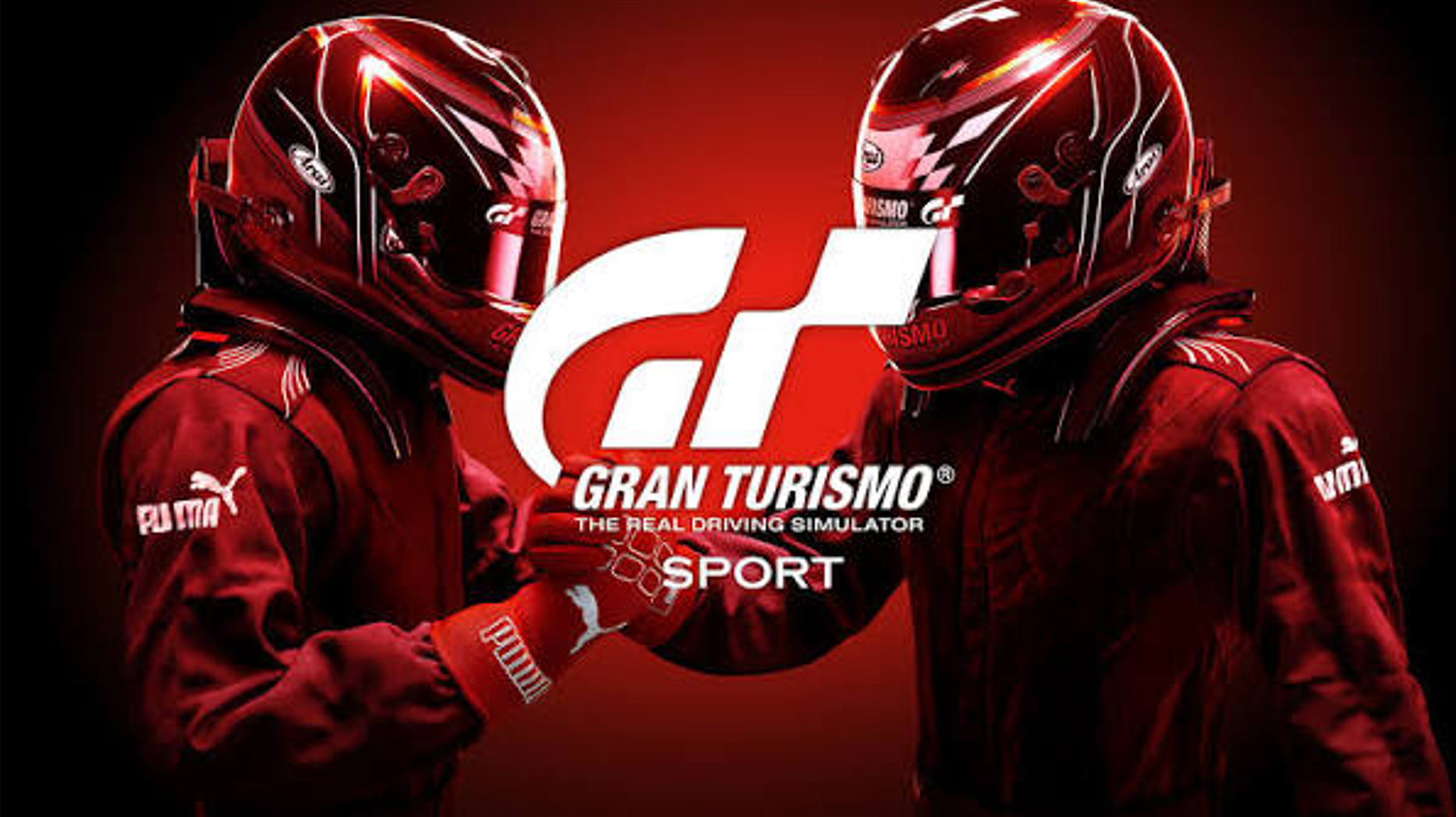
Gran Turismo Sport
Gran Turismo Sport represented one of the franchise’s biggest structural changes.
Released for PlayStation 4 in 2017, it placed significantly greater emphasis on competitive online racing.
The traditional career structure was dramatically reduced, and the initial version focused heavily on connected multiplayer competition.
This proved controversial.
Long-time players who loved collecting cars and progressing through enormous single-player campaigns felt that something important had been lost.
However, Polyphony continued adding free post-launch cars, tracks, offline events, and improvements.
The game eventually became an important competitive esports platform and provided the foundation for the modern Gran Turismo World Series.
GT Sport Highlights
- Released in 2017
- Strong online focus
- Initially reduced traditional career content
- Developed into major esports platform
- Received extensive post-release additions
- Helped establish modern GT competition
Gran Turismo 7
Gran Turismo 7 was released in 2022 for PlayStation 4 and PlayStation 5.
The game attempted to combine modern online systems with the traditional appreciation of car ownership that many fans felt had been reduced in GT Sport.
Career-style progression returned alongside tuning, collection systems, historical automotive content, licenses, racing events, and online competition.
The PS5 version benefited from improved graphics, loading speed, controller haptics, and more advanced presentation.
Critics generally responded positively.
Metacritic scores listed in the supplied source place the PS5 version at 87/100.
However, the game also faced substantial criticism from players over microtransactions and its economy during the launch period.
GT7 Highlights
- Released in 2022
- Available on PS4 and PS5
- Restored stronger career progression
- Combines traditional and online systems
- Expanded car culture presentation
- Strong critical reviews
- Faced controversy over monetization
My First Gran Turismo
My First Gran Turismo joined the series in 2024.
The title was designed as a more approachable introduction to the franchise and its driving philosophy.
Its existence reflects a long-running interest within Polyphony Digital in creating an accessible entry point for younger or inexperienced players.
The concept itself can be traced back to ideas Yamauchi discussed many years earlier regarding a more beginner-focused Gran Turismo experience.
Rather than replacing the full games, My First Gran Turismo functions as an invitation to understand why so many players enjoy the franchise.
Gran Turismo Online Racing
Online functionality gradually became increasingly important.
Experimental online features existed before they became part of the main games, but Gran Turismo 5 Prologue established connected multiplayer more firmly by allowing races with up to 16 players.
Later titles expanded dramatically on this foundation.
Gran Turismo Sport was built heavily around structured online competition, while Gran Turismo 7 continues supporting competitive and casual multiplayer.
Online racing introduced another skill layer.
Driving quickly is no longer enough.
Players need racecraft.
That includes:
- Overtaking safely
- Defending positions
- Avoiding unnecessary contact
- Understanding penalties
- Managing tires and fuel
- Reading opponents
- Staying consistent under pressure
This helped turn Gran Turismo from a primarily personal simulation experience into a serious competitive platform.
Gran Turismo World Series
The Gran Turismo World Series is the franchise’s premier modern esports competition.
The tournament structure began in 2018 and was previously known as the FIA Certified Gran Turismo Championships through the 2021 season.
Competitors race internationally using Gran Turismo, representing either themselves or major automotive manufacturers.
The manufacturer connection adds a distinctive element.
Players may compete under brands such as Ferrari, Toyota, Porsche, Nissan, BMW, Mercedes-AMG, Lamborghini, Mazda, Subaru, and many others.
The competition demonstrates how far the franchise has moved beyond traditional single-player racing.
For elite drivers, Gran Turismo has become a legitimate esport requiring enormous preparation and consistency.
GT Academy
Few gaming programs have produced a story as extraordinary as GT Academy.
Created through a partnership between Sony, Polyphony Digital, and Nissan Europe, the program operated from 2008 to 2016.
Players first competed through Gran Turismo.
Top qualifiers then progressed to national competitions before selected finalists attended Race Camp at Silverstone in the United Kingdom.
The strongest competitors entered an intensive real-world driver-development program.
The goal was simple but radical: transform talented sim racers into professional racing drivers.
Winners included:
- Lucas Ordóñez
- Jordan Tresson
- Jann Mardenborough
Several GT Academy graduates went on to compete successfully in real motorsport.
The program became one of the strongest demonstrations that virtual driving ability could have real-world relevance.
Jann Mardenborough
Jann Mardenborough became the most internationally famous GT Academy graduate.
He won the competition in 2011 despite entering motorsport through an unconventional route.
Instead of progressing through years of karting and junior racing like many professional drivers, Mardenborough’s experience with Gran Turismo became the foundation for his opportunity.
He later competed in real professional racing categories.
His journey was eventually dramatized in the 2023 Gran Turismo film.
Although the movie takes dramatic liberties, Mardenborough’s real story demonstrates the remarkable cultural position the franchise achieved.
Very few games can legitimately claim that playing them helped someone begin a professional motorsport career.
Gran Turismo and Olympic Esports
The franchise also became connected to Olympic esports initiatives.
In 2021, the FIA and International Olympic Committee included Gran Turismo Sport in the Olympic Virtual Series.
In 2023, Gran Turismo 7 became the motorsport title used for the Olympic Esports Series and Olympic Esports Week in Singapore.
French competitor Kylian Drumont won the motorsport final.
This recognition reinforced Gran Turismo’s position as more than a conventional entertainment franchise.
Its competitive racing system had become credible enough to appear alongside officially organized international virtual sports events.
Vision Gran Turismo
Vision Gran Turismo is one of the franchise’s most fascinating collaborations with the automotive industry.
Instead of merely recreating existing vehicles, Polyphony invited manufacturers to imagine future concept cars specifically for the series.
Brands participating in Vision Gran Turismo have included major manufacturers such as:
- Mercedes-Benz
- BMW
- Nissan
- Volkswagen
- Bugatti
- Lamborghini
- Ferrari
- Mazda
- Subaru
- Alpine
- Dodge
- Infiniti
These digital concept cars allowed designers to explore ideas without all the manufacturing limitations of a conventional road vehicle.
Some were later represented through full-size physical concept models.
This transformed Gran Turismo into a creative platform where game development and automotive design could influence one another.
Gran Turismo and Real Car Manufacturers
The relationship between Gran Turismo and the automotive industry became unusually strong.
The supplied material notes that Mitsubishi partly credited the popularity of the franchise with influencing the decision to introduce the Lancer Evolution VIII to the United States.
TVR reportedly experienced significant sales growth after appearing in the original game.
The franchise also developed partnerships with companies and organizations including:
- Brembo
- Dunlop
- Michelin
- Mazda
- Toyota Gazoo Racing
- Fanatec
- BBS
- Japan Race Promotion
This relationship is mutually beneficial.
Polyphony gains access to technical data and prestigious brands.
Manufacturers gain exposure to millions of enthusiastic players who may become future customers.
How Gran Turismo Changed Car Culture
For many players, Gran Turismo was an automotive education disguised as a game.
Before widespread social media and easy access to international automotive media, many cars were difficult to discover outside their home countries.
The franchise changed that.
Players learned about:
- Nissan Skyline GT-R generations
- Mitsubishi Lancer Evolution models
- Subaru Impreza WRX
- Toyota Supra
- Mazda RX-7
- Honda NSX
- European touring cars
- Le Mans prototypes
- obscure classics
That exposure contributed directly to the growth of interest in Japanese performance cars outside Japan.
A generation of players learned manufacturer histories and model names simply because they wanted to know which car might win the next championship.
Racing Wheels and Sim Racing
Gran Turismo also helped normalize racing wheels among console players.
The franchise’s realistic handling made wheel-and-pedal setups feel worthwhile in a way arcade racers often could not.
Polyphony collaborated with peripheral manufacturers on dedicated equipment, while modern sim racing hardware continues supporting Gran Turismo.
Using a wheel changes the experience substantially.
Players gain finer steering control and more realistic pedal input.
Combined with force feedback, the hardware communicates information about grip, surface changes, and vehicle behavior.
For many players, Gran Turismo becomes the first step toward a much deeper sim-racing hobby.
Real-World Motorsport Connections
The franchise has worked directly with numerous racing events and organizations.
Its involvement has extended to:
- Super GT
- Super Formula
- Pikes Peak International Hill Climb
- D1 Grand Prix
- 24 Hours of Le Mans
- Nürburgring events
It has also been associated with drivers and racing figures including Lewis Hamilton, Sébastien Loeb, and Igor Fraga.
The franchise even provided technical support connected to LMP1 cars competing at Le Mans.
These connections reinforce the unusual relationship between Gran Turismo and actual motorsport.
The game imitates racing, but racing also increasingly interacts with the game.
The Gran Turismo Movie
The franchise reached cinemas in 2023 with Gran Turismo.
Rather than adapting the games into a fictional story about racing championships, the movie drew inspiration from the real-world GT Academy program and Jann Mardenborough’s career.
That choice made sense because Gran Turismo does not have a traditional narrative protagonist.
Its real story is the relationship between players and cars.
Mardenborough’s journey provided a human narrative capable of communicating that idea.
The movie also introduced the franchise to audiences who may never have played the games.
Movie Connection
- Released in 2023
- Inspired by GT Academy
- Focuses on Jann Mardenborough
- Links virtual racing with real motorsport
- Expanded the franchise beyond gaming
Reception and Critical Response
The franchise has enjoyed extraordinary critical success.
According to the aggregate scores included in the supplied material:
- Gran Turismo – 96/100
- Gran Turismo 2 – 93/100
- Gran Turismo 3: A-Spec – 95/100
- Gran Turismo 4 – 89/100
- Gran Turismo 5 – 84/100
- Gran Turismo 6 – 81/100
- Gran Turismo Sport – 75/100
- Gran Turismo 7 – 87/100 on PS5
Several installments have been included in lists of the greatest games ever made.
The original was also recognized by Edge among the most important games of its era, while GT2, GT3, GT4, and GT5 received similar historical recognition from different publications and organizations.
Not every decision was universally popular.
Gran Turismo Sport initially frustrated fans because of its reduced single-player focus, while Gran Turismo 7 faced heavy criticism from players over its monetization and in-game economy at launch.
Gran Turismo vs Forza Motorsport
Comparisons between Gran Turismo and Forza Motorsport became almost inevitable.
Both series combine realistic handling, licensed cars, track racing, tuning, and car collecting.
However, their identities remain different.
Gran Turismo traditionally feels more reverential toward automobile history and ownership.
Menus, dealerships, photography, museums, manufacturer stories, and presentation often treat cars almost like cultural artifacts.
Forza Motorsport generally presents a more direct motorsport-oriented experience, although the differences vary greatly by installment.
Competition between the franchises ultimately benefited racing fans because each pushed the other toward better physics, graphics, car rosters, and online systems.
Gran Turismo vs Arcade Racing Games
Comparing Gran Turismo to an arcade racer is less about deciding which is better and more about understanding completely different goals.
Arcade racers often prioritize:
- Immediate speed
- Dramatic drifting
- Crashes
- Shortcuts
- Spectacle
- Accessibility
Gran Turismo prioritizes:
- Vehicle behavior
- Braking
- Racing lines
- Setup
- Consistency
- Car knowledge
A corner that looks uneventful in Gran Turismo can feel extremely satisfying when the player brakes perfectly, rotates the car correctly, hits the apex, and exits at maximum speed.
The pleasure comes from precision.
Difficulty and Accessibility
Despite its simulation reputation, Gran Turismo is not designed exclusively for expert sim racers.
Driving aids can reduce the challenge significantly.
Depending on the game, assistance may include:
- Automatic transmission
- Traction control
- Stability assistance
- ABS
- Driving-line indicators
- Braking zones
- Steering support
This creates an adjustable learning curve.
New players can begin with assistance enabled and gradually remove systems as they become more confident.
That flexibility helped the franchise reach enormous audiences despite using much more realistic physics than typical mainstream racing games.
Why Gran Turismo Appeals to Non-Racing Fans
One of the franchise’s most impressive achievements is attracting people who may not initially care about motorsport.
Collecting cars provides one entry point.
Photography provides another.
Tuning becomes its own hobby.
Automotive history gives players something to learn.
License tests create short skill challenges.
Some players simply enjoy purchasing an ordinary vehicle they have owned—or hope to own—in real life.
That broad appeal explains why the franchise can function simultaneously as:
- Racing game
- Car encyclopedia
- Driving simulator
- Collecting game
- Photography tool
- Competitive esport
- Automotive history experience
Few franchises occupy so many roles at once.
Legacy and Impact
Gran Turismo fundamentally changed expectations for console racing games.
Before its success, highly realistic driving simulation was often associated primarily with more specialized PC experiences.
Polyphony demonstrated that mainstream console audiences would embrace realism if it was presented with attractive graphics, understandable progression, recognizable cars, and enough accessibility options.
The influence can be seen in later franchises and competing simulators.
Its impact also reached beyond software.
It promoted racing wheels.
It helped popularize Japanese performance cars internationally.
It created professional drivers through GT Academy.
It collaborated with major manufacturers on concept vehicles.
It became involved with international esports.
And after decades of releases, it surpassed 100 million franchise sales.
That is an extraordinary legacy for a project Sony initially hesitated to approve.
Legacy Highlights
- Defined console simulation racing
- Became PlayStation’s highest-selling franchise
- Influenced competing racing games
- Strengthened gaming’s relationship with car manufacturers
- Helped launch professional motorsport careers
- Became part of Olympic esports
- Inspired a major film adaptation
- Introduced millions of players to car culture
FAQ
What Is Gran Turismo?
Gran Turismo is a PlayStation racing simulation series developed by Polyphony Digital. It focuses on realistic vehicle handling, licensed cars, racing events, tuning, collecting, and motorsport.
Who Created Gran Turismo?
Kazunori Yamauchi created the series and led development of the original game.
When Did the First Gran Turismo Release?
The first Gran Turismo launched in Japan in 1997 before reaching other major regions in 1998.
How Many Gran Turismo Games Are There?
The franchise includes seven major numbered titles alongside Gran Turismo Sport, the PSP game, Prologue editions, concept releases, demos, and My First Gran Turismo.
What Is the Latest Main Gran Turismo Game?
Gran Turismo 7, released in 2022, is the latest major traditional installment listed in the supplied material.
Is Gran Turismo Realistic?
Yes. The series models real-world concepts such as weight transfer, suspension response, oversteer, understeer, braking, and traction.
Is Gran Turismo a Full Racing Simulator?
It is a simulation-focused racing franchise designed to balance realism with accessibility. Advanced players can reduce assists and use racing wheels, while newcomers can use driving assistance.
What Is GT Academy?
GT Academy was a Sony, Polyphony Digital, and Nissan driver-development program that allowed top Gran Turismo players to compete for opportunities in real professional motorsport.
Did Gran Turismo Players Become Real Racing Drivers?
Yes. GT Academy graduates including Jann Mardenborough and Lucas Ordóñez progressed into professional real-world motorsport.
What Is Vision Gran Turismo?
Vision Gran Turismo is a project in which real automotive manufacturers design virtual concept cars specifically for the franchise.
Does Gran Turismo Have Esports?
Yes. The Gran Turismo World Series has hosted international competition since 2018, and the franchise has also participated in Olympic esports events.
Is Gran Turismo Only on PlayStation?
The supplied material describes the series as a PlayStation-exclusive franchise and states that there is no announced PC version as of 2026.
Is Gran Turismo Worth Playing Today?
Yes. For anyone interested in realistic driving, car collecting, motorsport, tuning, or learning more about automotive culture, the franchise remains one of the strongest racing series available.
Conclusion
Gran Turismo became successful because it understood something many racing games overlooked: cars themselves can be the reward.
Winning matters, but so does the journey from an inexpensive starter vehicle to a garage containing machines from different decades, countries, manufacturers, and racing categories.
The franchise transformed that appreciation into a complete progression system.
Players learn how to brake properly, pass license tests, earn money, tune cars, discover manufacturers, understand different drivetrains, and gradually become better drivers.
That philosophy remained recognizable even as the technology changed dramatically.
The original game used the first PlayStation to introduce players to realistic console racing. Gran Turismo 3 and Gran Turismo 4 became technical showcases for PlayStation 2. GT5 and GT6 expanded the scale dramatically, while Gran Turismo Sport pushed the franchise toward serious online competition. Gran Turismo 7 then attempted to reconnect modern racing with the car-collecting identity that made the earlier games so beloved.
Its influence is even more remarkable outside gaming.
GT Academy turned virtual racers into professional drivers. Vision Gran Turismo allowed major manufacturers to design cars for a digital world. Olympic esports brought the franchise into international competition. Automotive brands used the games for promotion, design, and technical partnerships. And a major theatrical film eventually dramatized the real-world consequences of that connection between simulator and racetrack.
More than 100 million sales later, Gran Turismo is no longer simply a successful racing series. It is one of PlayStation’s defining institutions—and one of the clearest examples of a video game influencing the real culture it originally set out to simulate.
Thank you for reading and make sure to bookmark the site, comment and follow up on the newest posts!
How useful was this post?
Click on a star to rate it!
Average rating 0 / 5. Vote count: 0
No votes so far! Be the first to rate this post.