
 8.9/10
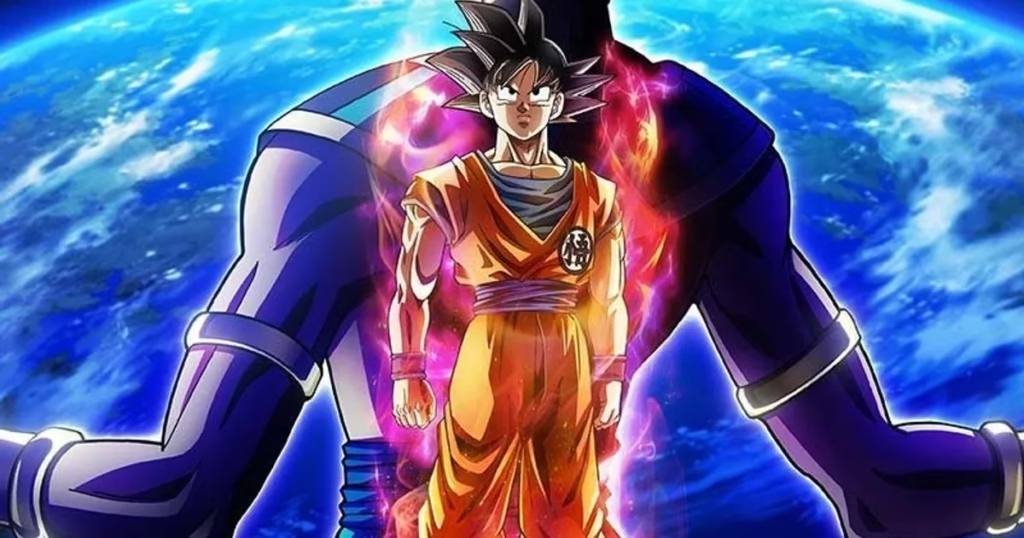
The God of Destruction has awakened once again, and this time, his legendary battle against Goku is getting the treatment it deserves!
Dragon Ball Super: Beerus (2026) is an enhanced remake and remaster of the original 2015 Dragon Ball Super anime, produced by Toei Animation as part of the franchise’s 40th anniversary celebrations and the studio’s 70th anniversary. Rather than simply improving the resolution of existing episodes, the series reconstructs the original storyline with updated animation, newly drawn sequences, revised visual composition, and a significantly more streamlined approach to the Battle of Gods arc.
Premiering on October 11, 2026, the anime takes viewers back to one of the most important turning points in Dragon Ball history: the moment Goku discovers that even his extraordinary Saiyan powers are nothing compared to the strength of the gods. With Beerus searching for the legendary Super Saiyan God and Earth’s survival hanging in the balance, the story revisits the confrontation that opened an entirely new chapter for the franchise.
For longtime fans, Dragon Ball Super: Beerus represents an opportunity to rediscover a familiar adventure with a fresh presentation. For newcomers, it offers a more accessible introduction to the events that followed the defeat of Majin Buu and established the divine hierarchy of the Dragon Ball universe.
But what exactly has changed? Is Dragon Ball Super: Beerus a complete remake, a remaster, or something in between? And does it finally address the animation and pacing issues that surrounded the original anime’s opening arc?
Here’s everything you need to know about Dragon Ball Super: Beerus, including its story, release schedule, voice cast, production, episode guide, new animation, and where to watch.
Dragon Ball Super: Beerus – Official Trailer
Dragon Ball Super: Beerus – Quick Facts
| Category | Details |
|---|---|
| Anime Title | Dragon Ball Super: Beerus |
| Japanese Title | ドラゴンボール超 ビルス |
| Release Year | 2026 |
| Genre | Action, Adventure, Fantasy, Martial Arts, Shōnen |
| Animation Studio | Toei Animation |
| Original Creator | Akira Toriyama |
| Unit Director | Matsuto Seya |
| Series Composition | Matsuto Seya |
| Animation Character Design | Tadayoshi Yamamuro |
| Chief Animation Director | Tadayoshi Yamamuro |
| Music Composer | Norihito Sumitomo |
| Japanese Premiere | October 11, 2026 |
| World Premiere | October 8, 2026 – New York Comic Con |
| Original Network | Fuji Television and FNS affiliates |
| Story Arc | Battle of Gods |
| Opening Theme | “Onogami” – Megatera-Zero |
| Ending Theme | “Kanpeki no Peki” – VK Blanka |
| Streaming | Crunchyroll, Netflix, Hulu, Disney+ in supported regions |
| English Dub Premiere | November 12, 2026 |
| Episodes | Six episodes listed as of November 13, 2026 |
What Is Dragon Ball Super: Beerus About?
Set four years after Goku and his allies defeat Kid Buu, Dragon Ball Super: Beerus begins during a relatively peaceful period on Earth. Goku has settled into family life, working as a farmer at Chi-Chi’s insistence, although his passion for martial arts remains as strong as ever. Vegeta continues pursuing greater strength, while the rest of the Z Fighters enjoy a world that no longer faces an immediate threat of destruction.
That peace ends when Beerus, the God of Destruction, awakens from a lengthy slumber. Accompanied by his mysterious attendant Whis, Beerus travels across the universe in search of an opponent he encountered in a prophetic dream: the Super Saiyan God.
His investigation eventually leads him to Goku, whose reputation as the Saiyan responsible for defeating Frieza has attracted the deity’s attention. Naturally, Goku cannot resist the opportunity to challenge someone supposedly stronger than himself. However, his confidence quickly gives way to astonishment when even Super Saiyan 3 proves completely ineffective against Beerus.
With his curiosity still unsatisfied, the God of Destruction travels to Earth, where Bulma’s birthday celebration becomes the setting for a potentially catastrophic confrontation. What begins as an innocent gathering of friends soon places the entire planet at risk, forcing Goku and the other Saiyans to uncover the truth behind an ancient legend.
The result is a story that fundamentally changes Dragon Ball’s understanding of strength, introducing godly energy, divine beings, and a new transformation that will influence nearly every major conflict that follows.
Is Dragon Ball Super: Beerus a Remake or a Remaster?
One of the most important things to understand about Dragon Ball Super: Beerus is that it isn’t a conventional sequel to the original anime. Instead, Toei Animation describes the project as an enhanced edition that combines elements of both a remake and a remaster.
Much of the existing footage from Dragon Ball Super is reused, but the material has been recomposed, edited, and visually improved. Scenes that could not be effectively reused have been reanimated, while new and redrawn cuts help reconstruct the original narrative.
This makes Dragon Ball Super: Beerus more ambitious than a simple high-definition rerelease. Its purpose is to improve how the story is presented, not merely how sharp the image looks.
What Has Changed From the Original Dragon Ball Super?
The enhanced edition introduces several important differences:
-
Updated animation sequences and newly drawn scenes.
-
Revised visual composition and improved presentation of existing footage.
-
A reconstructed storyline with substantially faster pacing.
-
New material, including a scene previously exclusive to the Dragon Ball Super manga.
-
Reorganized scenes and flashbacks to improve narrative continuity.
-
New opening and ending theme songs.
-
Returning music composer Norihito Sumitomo.
-
Archived Japanese voice recordings alongside selected newly recorded performances.
The changes are particularly noticeable in the episode structure. The second episode of Beerus incorporates material from three original Dragon Ball Super episodes, while the fifth episode covers material from Episodes 10 through 13.
This condensed approach gives the Battle of Gods storyline a more direct sense of momentum, allowing the confrontation between Goku and Beerus to develop without the extended pacing of the original television adaptation.
Why Dragon Ball Super: Beerus Is Such an Important Project
When Dragon Ball Super originally premiered in July 2015, it marked the return of a major Dragon Ball television anime after years without a new ongoing series. The excitement was enormous, but the early episodes also became a source of controversy because of inconsistent animation quality and the decision to retell events already covered in the Battle of Gods movie.
The opening arc contained important character moments and introduced some of the franchise’s most influential concepts. However, its presentation did not always live up to the expectations surrounding Dragon Ball’s return.
Dragon Ball Super: Beerus provides Toei Animation with an opportunity to revisit that material with years of hindsight. By retaining the original story while improving its pacing and visual direction, the enhanced edition can give one of Dragon Ball Super’s most significant arcs a stronger introduction.
It also arrives at a meaningful moment in the franchise’s history. Dragon Ball has entertained generations of viewers for more than four decades, and revisiting the beginning of Super highlights how far the series has evolved since Goku’s first adventures.
Dragon Ball Super: Beerus Release Date and Premiere
Dragon Ball Super: Beerus officially premiered on October 11, 2026, at 11:15 PM Japanese Standard Time on Fuji Television and its FNS affiliates.
The project was initially announced in January 2026 as part of Dragon Ball’s 40th anniversary celebrations. Toei Animation confirmed that the series would feature a reconstructed version of the original Dragon Ball Super storyline, beginning with the Battle of Gods arc.
Producer Akio Iyoku explained that work on the enhanced edition had already been underway for several years, demonstrating that the project involved considerably more preparation than a straightforward remaster.
Dragon Ball Super: Beerus World Premiere at New York Comic Con
Before its Japanese television debut, the anime received its world premiere at New York Comic Con on October 8, 2026.
Toei Animation Inc. hosted a dedicated Dragon Ball Super: Beerus panel, giving attendees an early opportunity to experience the first episode. The event was hosted by Monica Rial, the English voice actress of Bulma, and featured Jason Douglas and Ian Sinclair, the English voices of Beerus and Whis.
The premiere served as a celebration of the franchise’s international popularity and placed two of the arc’s most important characters at the center of the event.
Dragon Ball Super: Beerus Replaces One Piece on Japanese Television
An interesting detail surrounding the anime’s release is its Japanese broadcast schedule. Dragon Ball Super: Beerus took over the television timeslot previously occupied by One Piece, which entered a hiatus scheduled to continue into the following year.
The arrangement brought two of Toei Animation’s biggest franchises into the same broadcast slot, allowing Dragon Ball to return to Japanese television while One Piece temporarily stepped away.
Dragon Ball Super: Beerus Characters – Meet the Gods, Saiyans and Legendary Z Fighters
Dragon Ball Super: Beerus brings together many of the franchise’s most recognizable characters while placing two divine newcomers at the center of the story. Although longtime fans already know Beerus and Whis, their introduction remains one of the most consequential moments in Dragon Ball’s modern mythology.
Son Goku – The Saiyan Who Challenges the Gods
Goku begins the story as Earth’s strongest defender, having overcome Frieza, Cell, and Majin Buu throughout his previous adventures. However, despite his extraordinary accomplishments, he remains more interested in improving his martial arts abilities than enjoying a peaceful retirement.
Working as a farmer provides stability for his family, but Goku dreams of returning to full-time training. His encounter with Beerus offers exactly the kind of challenge he has been searching for, even if he has no idea how dangerous his opponent truly is.
What makes this version of Goku particularly interesting is his willingness to confront the limits of his own strength. His initial defeat demonstrates that the power he spent years developing represents only a small fraction of what exists in the universe. Instead of discouraging him, that realization inspires him to pursue an entirely new level of power.
His eventual transformation into Super Saiyan God becomes the beginning of a journey that will reshape his understanding of martial arts.
Beerus – The God of Destruction
Beerus is the central figure of the enhanced edition and one of the most fascinating characters introduced in Dragon Ball Super.
As the God of Destruction of Universe 7, Beerus possesses extraordinary power and the authority to destroy planets. However, unlike many previous Dragon Ball antagonists, he isn’t driven by a conventional desire for conquest or revenge. His motivations are often surprisingly personal, revolving around food, curiosity, boredom, and his search for worthy opponents.
This unpredictable personality makes him particularly dangerous. An enjoyable meal might improve his mood, while a minor disagreement over dessert can place an entire civilization at risk.
Beerus also introduces an important distinction between divine destruction and ordinary villainy. He represents a cosmic role rather than simply another enemy Goku must defeat. His existence challenges the traditional Dragon Ball formula, in which defeating a powerful opponent usually resolves the central conflict.
Whis – The Mysterious Attendant of Beerus
Whis accompanies Beerus throughout his journey, serving as his attendant, guide, and martial arts teacher.
His calm personality contrasts sharply with Beerus’s unpredictable temper. While the God of Destruction frequently becomes irritated by those around him, Whis approaches most situations with patience, amusement, and an appreciation for excellent food.
Whis also possesses knowledge that extends far beyond anything Goku and Vegeta understand at this stage of the story. His explanations of godly energy and the Super Saiyan God ritual provide important insight into the divine world.
Although Beerus initially appears to be the ultimate authority, Whis’s confidence and composure suggest that there is considerably more to their relationship than meets the eye.
Vegeta – The Prince Who Knows the True Danger of Beerus
Vegeta approaches Beerus very differently from Goku. While Goku immediately wants to challenge the mysterious deity, Vegeta understands that angering the God of Destruction could have devastating consequences.
His childhood memories of Beerus visiting Planet Vegeta reveal that the Saiyan prince has encountered this power before. When Beerus arrives at Bulma’s birthday party, Vegeta becomes determined to prevent anyone from provoking him.
The situation also produces one of Vegeta’s most memorable character moments. When Bulma is injured during the confrontation, his fear gives way to fury, allowing him to briefly display a level of strength that surprises even Beerus.
The moment highlights Vegeta’s development from a ruthless warrior into someone deeply protective of his family.
Bulma – The Birthday Celebration That Almost Ends the World
Bulma has always played an important role in Dragon Ball, but her birthday party becomes the unlikely centerpiece of the Battle of Gods storyline.
Unaware of the full extent of Beerus’s power, she welcomes him and Whis to the celebration. Her confidence and willingness to confront even the most intimidating personalities eventually place her directly in the middle of the conflict.
Bulma’s importance extends beyond the party itself. Her possession of the Dragon Balls allows Goku to summon Shenron and investigate the legend of the Super Saiyan God, providing Earth’s defenders with their best opportunity to survive.
Son Gohan, Videl, Goten and Trunks
The younger generation of Saiyans also plays an essential role in the story. Gohan has moved toward a more settled family life with Videl, while Goten and Trunks continue displaying their extraordinary potential through their fusion into Gotenks.
Their importance becomes particularly apparent when the Super Saiyan God ritual is revealed. The transformation requires six righteous Saiyans, making the cooperation of Goku’s family and Vegeta’s family essential.
Videl’s involvement introduces a particularly meaningful revelation, connecting the birth of a new generation with Goku’s journey toward divine power.
Piccolo, Krillin and the Returning Z Fighters
Piccolo, Krillin, Android 18, Tien, Yamcha, Master Roshi, Majin Buu, and other familiar characters return throughout the arc. Although they cannot match Beerus in combat, their presence reinforces the importance of the relationships that have developed throughout Dragon Ball’s history.
The confrontation at Bulma’s birthday party demonstrates just how far beyond conventional martial arts Beerus operates. Even warriors who once stood among Earth’s strongest defenders find themselves completely overwhelmed.
Dragon Ball Super: Beerus Voice Cast – Japanese and English Actors
One of the most distinctive aspects of Dragon Ball Super: Beerus is its use of archived Japanese voice recordings from the original anime. This preserves many of the performances that helped establish Dragon Ball Super’s identity, including voices belonging to actors who have since passed away.
| Character | Japanese Voice Actor | English Voice Actor |
|---|---|---|
| Son Goku | Masako Nozawa | Sean Schemmel |
| Son Gohan | Masako Nozawa | Kyle Hebert |
| Son Goten | Masako Nozawa | Not listed |
| Beerus | Kōichi Yamadera | Jason Douglas |
| Whis | Masakazu Morita | Ian Sinclair |
| Vegeta | Ryō Horikawa | Christopher Sabat |
| Bulma | Hiromi Tsuru | Monica Rial |
| Krillin | Mayumi Tanaka | Sonny Strait |
| Piccolo | Toshio Furukawa | Christopher Sabat |
| Yamcha | Ryōta Suzuki | Christopher Sabat |
| Chi-Chi | Naoko Watanabe | Not listed |
| Trunks | Takeshi Kusao | Not listed |
| King Kai | Jōji Yanami | Not listed |
| Old Kai | Ryōichi Tanaka | Not listed |
| Mr. Satan | Unshō Ishizuka | Not listed |
English cast entries marked as not listed have not been specified in the available cast information for this edition.
Masako Nozawa Returns as Goku
Few voice actors are as closely associated with a fictional character as Masako Nozawa is with Goku. Her performances have defined the Saiyan’s energetic personality, enthusiasm for combat, and emotional intensity across generations of Dragon Ball anime.
The enhanced edition retains her original Japanese performances, allowing familiar moments to be experienced alongside the revised animation and reconstructed narrative.
Hiromi Tsuru’s Original Bulma Performance Is Preserved
One particularly emotional detail for longtime fans is the inclusion of Hiromi Tsuru’s archived recordings as Bulma.
Tsuru, who passed away in 2017, voiced Bulma for decades and became an inseparable part of the character’s identity. Her preserved performance allows the enhanced Battle of Gods arc to retain the voice associated with its original television release.
Archived performances from Jōji Yanami as King Kai and Unshō Ishizuka as Mr. Satan are also included.
Why Does Yamcha Have a New Japanese Voice?
Yamcha is a notable exception to the enhanced edition’s use of archived Japanese recordings. The character is revoiced by Ryōta Suzuki, who previously took over the role in Dragon Ball Daima.
His inclusion demonstrates that Dragon Ball Super: Beerus combines preservation with selected updates rather than relying exclusively on the original audio.
Dragon Ball Super: Beerus Episode Guide – All Episodes and Release Dates
Dragon Ball Super: Beerus reconstructs the opening storyline of Dragon Ball Super into a significantly more compact format. Instead of maintaining a one-to-one relationship with the original episodes, the enhanced edition combines material from multiple installments and reorganizes selected scenes.
As of November 13, 2026, five episodes have aired, with the sixth scheduled for November 15.
| Episode | Title | Release Date | Corresponding Original DBS Episodes |
|---|---|---|---|
| 1 | The God Who Destroys | October 11, 2026 | 1–2 |
| 2 | The God of Destruction Heads to the Planet of the Kai | October 18, 2026 | 3–5 |
| 3 | The God of Destruction Heads to Earth | October 25, 2026 | 6–8 |
| 4 | The God of Saiyans | November 1, 2026 | 2, 8–9 |
| 5 | The God of Destruction and Son Goku | November 8, 2026 | 10–13 |
| 6 | Battle of Gods | November 15, 2026 | TBA |
The episode correspondence identifies where reused footage originated. It does not necessarily mean that every scene from those original episodes appears in the enhanced edition.
Episode 1 – The God Who Destroys
Release Date: October 11, 2026
The opening episode establishes the peaceful period following Kid Buu’s defeat. Goku works as a farmer while dreaming of returning to his martial arts training. When Mr. Satan offers him a substantial financial reward for his role in saving Earth, Goku realizes he can finally resume training without neglecting his family’s financial needs.
Meanwhile, Beerus awakens from his long sleep and begins traveling with Whis. His encounters with alien civilizations immediately demonstrate the frightening extent of his power, particularly when he destroys a planet after an unsatisfactory encounter.
The episode concludes by introducing Beerus’s prophetic dream of a Super Saiyan God, setting the central storyline in motion. It also incorporates material previously exclusive to the Dragon Ball Super manga, demonstrating the enhanced edition’s willingness to introduce content beyond the original television presentation.
Episode 2 – The God of Destruction Heads to the Planet of the Kai
Release Date: October 18, 2026
Beerus consults the Oracle Fish about his dream before learning more about Goku’s battle against Frieza. His investigation leads him to King Kai’s planet, where Goku is training.
Unable to resist the opportunity to challenge a powerful opponent, Goku asks Beerus for a fight. He progresses through his Super Saiyan transformations, eventually reaching Super Saiyan 3, but Beerus remains completely untroubled by his attacks.
The encounter establishes the enormous difference between mortal and divine power. Goku’s defeat is particularly important because it demonstrates that the transformations which once represented his greatest achievements are no longer enough.
With Goku defeated, Beerus and Whis depart for Earth in search of Vegeta.
Episode 3 – The God of Destruction Heads to Earth
Release Date: October 25, 2026
Beerus and Whis arrive at Bulma’s birthday celebration, where Vegeta desperately attempts to prevent the God of Destruction from becoming angry. His efforts initially appear successful, but a disagreement with Majin Buu over pudding causes the situation to spiral out of control.
Beerus overwhelms several of Earth’s strongest fighters, demonstrating that neither teamwork nor conventional transformations can overcome his strength. When Bulma becomes involved in the confrontation, Vegeta’s emotional response produces one of the arc’s most memorable moments.
The episode combines action, humor, and suspense, ending with Earth’s survival depending on an unexpected game of rock-paper-scissors.
Episode 4 – The God of Saiyans
Release Date: November 1, 2026
With Beerus preparing to destroy Earth, Goku arrives and proposes a final opportunity to discover the legendary Super Saiyan God. Using Bulma’s Dragon Balls, the group summons Shenron and learns about an ancient Saiyan ritual.
The initial attempt fails because the participants misunderstand the requirements. They need six righteous Saiyans, with five transferring their hearts into the sixth rather than simply sharing their ordinary energy.
Videl’s revelation that she is pregnant provides the missing participant. The successful ritual surrounds Goku with divine light, transforming him into a red-haired Super Saiyan God.
The episode also reorganizes material from the original anime, including Vegeta’s family vacation, which appears as a flashback.
Episode 5 – The God of Destruction and Son Goku
Release Date: November 8, 2026
Having achieved Super Saiyan God, Goku challenges Beerus once again. His new transformation introduces unfamiliar physical sensations and a type of energy that ordinary fighters cannot detect.
As Goku gradually learns to control his divine power, the confrontation becomes increasingly intense. He begins responding to Beerus’s attacks with greater confidence, even surprising the God of Destruction with techniques that resemble those used against him during their first encounter.
However, just as Goku appears to be discovering the full potential of his new abilities, Beerus notices that the transformation is beginning to expire.
The episode leaves the battle at a critical turning point, raising the question of whether Goku can continue fighting without the divine form that finally allowed him to challenge Beerus.
Episode 6 – Battle of Gods
Scheduled Release Date: November 15, 2026
The sixth episode continues the confrontation between Goku and Beerus following the developments of Episode 5.
Its title suggests that the legendary battle remains the central focus, but the complete episode synopsis and production credits have not yet been established in the available information.
This episode has not aired as of November 13, 2026. The total number of episodes beyond the announced schedule should not be assumed until officially established.
Super Saiyan God – Goku’s Legendary Red-Haired Transformation Explained
The introduction of Super Saiyan God is arguably the most important development in the Battle of Gods arc. For years, Goku’s progression revolved around increasingly powerful Super Saiyan transformations, culminating in the extraordinary strength of Super Saiyan 3.
However, Beerus introduces a completely different category of power. Goku cannot overcome him by simply increasing the strength of his existing transformations. Instead, he must access a form connected to the divine world itself.
How Does Goku Become Super Saiyan God?
According to the legend explained by Shenron, the transformation requires six righteous Saiyans. Five must join together and transfer their hearts into another pure-hearted Saiyan, allowing the recipient to access divine power.
The ritual initially appears impossible because the group believes it lacks the necessary number of participants. However, Videl reveals that she is carrying Gohan’s child, allowing the unborn Pan to contribute to the transformation.
The six Saiyans involved are:
-
Goku, the recipient of the transformation.
-
Vegeta.
-
Gohan.
-
Goten.
-
Trunks.
-
Pan, through Videl.
Once the ritual succeeds, Goku’s appearance changes dramatically. His hair becomes red, his physique becomes leaner, and his energy takes on divine characteristics that ordinary mortals cannot detect.
What Makes Super Saiyan God Different From Super Saiyan 3?
Unlike Super Saiyan 3, which emphasizes an enormous increase in conventional Saiyan power, Super Saiyan God introduces godly ki. This changes the nature of Goku’s strength rather than merely increasing the amount of energy available to him.
The transformation also challenges the visual expectations established by previous forms. Instead of becoming larger or more muscular, Goku appears slimmer, with a simpler hairstyle and a distinctive red aura.
His initial difficulty controlling the form demonstrates that possessing divine power and understanding how to use it are two different things.
Is Super Saiyan God Stronger Than Beerus?
The transformation allows Goku to fight Beerus far more effectively than before, but it does not establish that he has surpassed the God of Destruction.
Beerus remains an exceptionally powerful opponent, and the battle emphasizes how much Goku still has to learn. His new form opens the door to an entirely different level of martial arts rather than immediately placing him at the top of the divine hierarchy.
That distinction becomes important throughout Dragon Ball Super, where Beerus continues representing a benchmark that Goku and Vegeta strive to reach.
Goku vs. Beerus – The Battle That Changed Dragon Ball Forever
Dragon Ball has always been defined by spectacular battles, from Goku’s confrontation with Frieza on Namek to the desperate struggle against Majin Buu. However, the battle against Beerus stands apart because it changes the very scale of the franchise.
Until this point, Goku’s greatest challenges involved powerful mortals, artificial beings, and supernatural enemies. Beerus introduces a divine hierarchy with its own rules, responsibilities, and levels of strength.
Their confrontation also challenges Goku’s traditional role as the warrior who ultimately defeats the strongest enemy. Beerus isn’t simply another obstacle to overcome. He represents a world of possibilities that Goku has only begun to discover.
Dragon Ball Super: Beerus revisits this pivotal moment with reconstructed fight sequences and improved visual presentation, allowing the battle’s significance to remain at the center of the story.
Vegeta’s Rage – One of the Arc’s Most Memorable Moments
Although Goku’s transformation receives much of the attention, Vegeta’s reaction to Bulma being injured remains one of the Battle of Gods arc’s emotional highlights.
For much of the confrontation, Vegeta is terrified of provoking Beerus. However, when someone he loves is harmed, that fear disappears. His furious attack briefly catches the God of Destruction off guard, demonstrating how much his priorities have changed since his introduction in Dragon Ball Z.
It is a powerful reminder that Vegeta’s greatest development isn’t simply his increasing strength. It’s the transformation of his character from a warrior obsessed with superiority into someone willing to risk everything for his family.
Dragon Ball Super: Beerus Animation and Production
Toei Animation’s approach to Dragon Ball Super: Beerus is particularly interesting because it involves reconstructing an existing anime rather than developing an entirely new adaptation.
The project uses footage from the original series while updating its composition, revising selected sequences, and replacing material that could not be effectively reused. This approach allows the production to preserve familiar performances and scenes while addressing aspects of the original presentation that would benefit from improvement.
Dragon Ball Super: Beerus Production Staff
| Production Role | Staff Member |
|---|---|
| Animation Studio | Toei Animation |
| Unit Director | Matsuto Seya |
| Series Composition | Matsuto Seya |
| Animation Character Design | Tadayoshi Yamamuro |
| Chief Animation Direction | Tadayoshi Yamamuro |
| Music | Norihito Sumitomo |
Matsuto Seya oversees the reconstructed narrative and unit direction, while longtime Dragon Ball animation veteran Tadayoshi Yamamuro is responsible for animation character design and chief animation direction.
The involvement of established Dragon Ball creative talent helps maintain continuity with the franchise’s visual identity while introducing improvements appropriate for the enhanced edition.
How Much of Dragon Ball Super: Beerus Is Newly Animated?
The entire series has not been animated from scratch. Much of the original footage remains, with existing shots receiving revised composition and selected sequences being redrawn or replaced.
The exact percentage of newly animated footage has not been established in the available production information. However, the project clearly goes beyond ordinary remastering because it introduces new cuts and restructures the narrative itself.
This distinction is important for viewers expecting a completely new visual adaptation. Dragon Ball Super: Beerus retains recognizable elements of the 2015 anime while selectively rebuilding its presentation.
Does Dragon Ball Super: Beerus Fix the Original Animation?
The original Dragon Ball Super anime became infamous for inconsistent animation during portions of its early run. Some episodes contained character drawings and action sequences that attracted considerable criticism from fans.
The enhanced edition directly revisits that material through revised animation direction, new sequences, and updated composition. These changes provide an opportunity to improve the presentation of scenes that were previously criticized.
However, because the project retains substantial amounts of original footage, viewers should expect a mixture of familiar and newly improved material rather than an entirely different animation style.
Dragon Ball Super: Beerus Soundtrack – Opening and Ending Themes
Music has always been an essential part of Dragon Ball’s identity, helping transform its battles, emotional moments, and transformations into unforgettable experiences.
Dragon Ball Super: Beerus welcomes back composer Norihito Sumitomo, who previously worked on Dragon Ball Super. His return provides a musical connection between the original anime and its enhanced edition, while new opening and ending songs establish a distinctive identity for the 2026 release.
| Theme | Song | Artist |
|---|---|---|
| Opening | Onogami (オノガミ) | Megatera-Zero |
| Ending | Kanpeki no Peki (完璧のペキ) | VK Blanka |
| Original Score | Dragon Ball Super: Beerus | Norihito Sumitomo |
Opening Theme – “Onogami” by Megatera-Zero
The new opening theme, “Onogami,” is performed by Megatera-Zero. Its introduction gives Dragon Ball Super: Beerus a musical identity separate from the original Dragon Ball Super opening, “Chōzetsu Dynamic!”
A new opening is particularly appropriate for a project centered on the arrival of divine power. Rather than presenting the enhanced edition as a simple rerun, it helps establish the feeling of a fresh Dragon Ball television event.
Ending Theme – “Kanpeki no Peki” by VK Blanka
VK Blanka performs the ending theme, “Kanpeki no Peki,” also stylized as “Kan Peki No Peki.”
Together with the new opening, the ending theme distinguishes the enhanced edition from the original television broadcast and provides another reason for longtime fans to experience the familiar storyline in its updated form.
Dragon Ball Super: Beerus vs. Dragon Ball Z: Battle of Gods
The Battle of Gods storyline has now received several different presentations, making it natural for viewers to wonder how Dragon Ball Super: Beerus compares with the original 2013 movie.
Dragon Ball Z: Battle of Gods introduced Beerus, Whis, and Super Saiyan God to the franchise. When Dragon Ball Super premiered in 2015, its opening storyline expanded and reworked those events into a television arc.
Dragon Ball Super: Beerus revisits that television adaptation rather than simply remastering the original film.
| Feature | Battle of Gods Movie | Dragon Ball Super | Dragon Ball Super: Beerus |
|---|---|---|---|
| Release Year | 2013 | 2015 | 2026 |
| Format | Anime Movie | Television Anime | Enhanced Television Anime |
| Main Story | Goku vs. Beerus | Expanded Battle of Gods arc | Reconstructed Battle of Gods arc |
| Animation | Original Film Animation | Original TV Animation | Reused and Revised TV Animation |
| Pacing | Feature-Length Story | Extended Episodic Story | Condensed Episodic Story |
| Super Saiyan God | Introduced | Reintroduced | Reimagined Presentation |
| New Material | Original Story | Expanded Scenes | New Cuts and Selected Manga Material |
Which Version of Battle of Gods Should You Watch?
The answer depends on what kind of experience you prefer. The original movie offers a self-contained adventure with the pacing and production style of a theatrical Dragon Ball release. The 2015 television arc expands the story and includes additional character interactions, although its slower pacing may not appeal to everyone.
Dragon Ball Super: Beerus offers a middle ground. It retains the television storyline’s expanded material while condensing its presentation and improving selected visual sequences.
For newcomers who want to begin Dragon Ball Super without committing to the extended original opening arc, the enhanced edition is an appealing alternative. For longtime fans, comparing the different versions can reveal how the same story has evolved over more than a decade.
Dragon Ball Super: Beerus vs. Dragon Ball Z Kai – Are They Similar?
Dragon Ball Super: Beerus naturally invites comparisons with Dragon Ball Z Kai, another project that revisited an established Dragon Ball anime with revised editing and visual improvements.
Dragon Ball Z Kai condensed the original Dragon Ball Z storyline, reducing much of its extended material and creating a more streamlined viewing experience. Dragon Ball Super: Beerus adopts a comparable philosophy but also incorporates reconstructed storytelling, new animation cuts, and selected material from the manga.
| Feature | Dragon Ball Z Kai | Dragon Ball Super: Beerus |
|---|---|---|
| Original Anime | Dragon Ball Z | Dragon Ball Super |
| First Release | 2009 | 2026 |
| Main Approach | Remastered and Condensed | Reconstructed and Enhanced |
| Animation | Revised Existing Footage | Reused, Revised and Newly Animated Footage |
| Story Focus | Dragon Ball Z Saga | Battle of Gods Arc |
| Voice Performances | Newly Recorded Japanese Dialogue | Mostly Archived Japanese Recordings |
The comparison helps explain why Dragon Ball Super: Beerus is an important project for the franchise. It follows an established tradition of revisiting classic material while introducing a production approach specifically suited to Dragon Ball Super.
Is Dragon Ball Super: Beerus Based on the Manga?
Dragon Ball Super has an unusual relationship with its manga compared with many other major shōnen anime.
The original television series was developed using story drafts, character designs, and plot outlines supplied by Akira Toriyama. Rather than adapting an already completed manga storyline, the anime and manga developed alongside one another using the creator’s original concepts.
The manga, illustrated by Toyotarou, eventually progressed beyond the television anime and introduced additional story arcs.
Dragon Ball Super: Beerus primarily reconstructs the original television series. However, it also incorporates selected manga material, including a scene in the first episode that was previously exclusive to the manga.
This creates an interesting opportunity for the enhanced edition to bring different presentations of the Dragon Ball Super storyline closer together without necessarily becoming a complete manga adaptation.
Is Dragon Ball Super: Beerus Connected to Dragon Ball Daima?
Dragon Ball Super: Beerus and Dragon Ball Daima are separate anime projects, although both take place within the broader Dragon Ball franchise and revisit the period following Majin Buu’s defeat.
Dragon Ball Daima tells its own adventure involving Goku and his companions being transformed into smaller versions of themselves. Dragon Ball Super: Beerus focuses on the arrival of the God of Destruction and the discovery of Super Saiyan God.
The projects also share a casting connection through Ryōta Suzuki, who reprises his role as Yamcha from Dragon Ball Daima.
Viewers do not need to watch Daima to understand the central storyline of Beerus, although familiarity with Dragon Ball Z provides valuable context for Goku’s family, the Saiyans, and the returning Z Fighters.
Is Dragon Ball Super: Beerus a Sequel to Dragon Ball Super?
No. Despite its 2026 release date, Dragon Ball Super: Beerus does not continue the story after the Tournament of Power or introduce a new adventure set after the original anime’s conclusion.
Instead, it returns to the beginning of Dragon Ball Super and reconstructs the Battle of Gods arc. Characters such as Beerus and Whis are being introduced within the story’s original chronology, even though longtime viewers already know their later roles.
This distinction is particularly important for fans hoping to see manga-exclusive storylines adapted into animation. Dragon Ball Super: Beerus should be understood as a renewed presentation of existing events, not the continuation of those later adventures.
Where to Watch Dragon Ball Super: Beerus
Dragon Ball Super: Beerus is receiving an international streaming release across several major platforms, making the enhanced edition accessible to viewers beyond Japan.
Crunchyroll began distributing the anime internationally alongside other regional streaming services. Netflix also joined the release schedule shortly after the Japanese premiere.
| Streaming Platform | Availability |
|---|---|
| Crunchyroll | International distribution in supported territories |
| Hulu | United States |
| Disney+ | Canada and Latin America |
| Netflix | Selected international regions and United States |
| Mangas | France |
| Fuji Television | Original Japanese television broadcast |
Netflix began streaming the series in selected international territories on October 14, 2026, followed by the United States on October 17.
Availability varies depending on regional licensing agreements, so viewers should check their local streaming catalog before subscribing to a particular service.
Dragon Ball Super: Beerus English Dub Release Date
The English dub of Dragon Ball Super: Beerus was scheduled to begin streaming on Crunchyroll on November 12, 2026.
The English voice cast includes Sean Schemmel as Goku, Christopher Sabat as Vegeta and Piccolo, Jason Douglas as Beerus, Ian Sinclair as Whis, and Monica Rial as Bulma.
The return of these familiar voices helps preserve the identity of the English-language Dragon Ball experience while introducing viewers to the enhanced edition’s revised presentation.
Will Dragon Ball Super: Beerus Continue Beyond the Battle of Gods Arc?
The current project focuses on reconstructing the Battle of Gods storyline, and the available episode schedule extends through Episode 6, titled “Battle of Gods.”
However, the announcement describes the broader project as an enhanced version of Dragon Ball Super beginning with this arc. That wording leaves open the possibility of additional reconstructed storylines, but it does not establish their release dates or production details.
For now, fans should distinguish between the confirmed Beerus episodes and speculation about future enhanced editions covering Resurrection ‘F’, the Universe 6 Tournament, Future Trunks, or the Tournament of Power.
The total episode count and the exact scope of any subsequent projects should be treated as unconfirmed until further announcements establish them.
Why Dragon Ball Super: Beerus Is Worth Watching
Dragon Ball Super: Beerus offers something different from a completely new Dragon Ball adventure. Its appeal comes from revisiting one of the franchise’s most important storylines and presenting it in a more focused, visually refined format.
For fans who remember the excitement surrounding Dragon Ball Super’s original premiere, the enhanced edition provides an opportunity to experience that opening arc again without necessarily committing to its original extended pacing.
A More Accessible Introduction to Dragon Ball Super
The reconstructed episode structure makes the story easier to approach. Major developments arrive more quickly, and the confrontation between Goku and Beerus remains the central focus.
For viewers who finished Dragon Ball Z but never continued into Dragon Ball Super, this creates an attractive entry point into the franchise’s modern era.
A Chance to Rediscover Beerus and Whis
Beerus and Whis have become essential figures in Dragon Ball, but their original introduction remains particularly entertaining because neither Goku nor the audience fully understands their capabilities.
Beerus’s unpredictable personality, Whis’s calm confidence, and the contrast between their divine responsibilities and love of food give the arc a distinctive identity.
The enhanced edition allows viewers to revisit the moment these characters first changed the direction of Dragon Ball.
One of Dragon Ball’s Most Important Transformations
Super Saiyan God represents more than another colorful transformation. It introduces a different understanding of power and establishes the foundation for Goku and Vegeta’s later development.
The ritual, Goku’s unfamiliar divine energy, and his confrontation with Beerus all contribute to one of the most consequential developments in the franchise.
A Celebration of Dragon Ball’s History
With its archived voice performances, returning creative talent, and anniversary connections, Dragon Ball Super: Beerus also serves as a celebration of the people who helped shape the franchise.
It preserves familiar performances while introducing new creative work, creating a bridge between the original Dragon Ball Super era and the franchise’s future.
Frequently Asked Questions About Dragon Ball Super: Beerus
What Is Dragon Ball Super: Beerus?
Dragon Ball Super: Beerus is a 2026 enhanced remake and remaster of the original Dragon Ball Super anime, featuring reconstructed storytelling, updated animation, and new scenes from the Battle of Gods arc.
When Did Dragon Ball Super: Beerus Premiere?
The anime premiered in Japan on October 11, 2026, following its world premiere at New York Comic Con on October 8.
Is Dragon Ball Super: Beerus a New Anime?
Yes, it is a newly released television production, but its story reconstructs the original Dragon Ball Super anime rather than continuing beyond its ending.
Is Dragon Ball Super: Beerus a Complete Remake?
Not entirely. The series combines reused footage, revised composition, newly animated scenes, and reconstructed storytelling, making it a hybrid remake and remaster.
How Many Episodes Does Dragon Ball Super: Beerus Have?
Six episodes are listed in the available schedule as of November 13, 2026. The final total has not been independently established in the supplied information.
When Does Dragon Ball Super: Beerus Episode 6 Release?
Episode 6, titled “Battle of Gods,” is scheduled for November 15, 2026.
Is Dragon Ball Super: Beerus Canon?
The anime revisits the established Battle of Gods storyline from Dragon Ball Super. Its central events belong to the main Dragon Ball narrative, although the enhanced edition reorganizes and revises certain scenes.
Is Dragon Ball Super: Beerus the Same as Battle of Gods?
Both cover the arrival of Beerus and Goku’s discovery of Super Saiyan God. However, Beerus is an enhanced version of the television adaptation rather than a remaster of the 2013 movie.
Does Dragon Ball Super: Beerus Have New Scenes?
Yes. The series features new and redrawn cuts, reconstructed scenes, and selected material previously exclusive to the Dragon Ball Super manga.
Does Dragon Ball Super: Beerus Improve the Animation?
Yes. The enhanced edition introduces revised animation direction, updated visual composition, and newly animated sequences while retaining substantial portions of the original footage.
Who Is Beerus?
Beerus is the God of Destruction of Universe 7, a divine being with extraordinary power and the authority to destroy planets.
Who Is Whis?
Whis is Beerus’s attendant and martial arts teacher. He accompanies the God of Destruction and possesses knowledge and abilities that extend far beyond those of ordinary fighters.
Why Is Beerus Searching for Goku?
Beerus experienced a prophetic dream involving a Super Saiyan God. After learning about Goku’s defeat of Frieza, he investigates whether the Saiyan can help him discover the legendary warrior.
Why Does Beerus Want to Destroy Earth?
Beerus becomes irritated during Bulma’s birthday celebration, particularly after a disagreement with Majin Buu over pudding escalates into a confrontation with Earth’s defenders.
What Is Super Saiyan God?
Super Saiyan God is a divine Saiyan transformation characterized by red hair, a leaner physique, and godly ki. Goku initially achieves it through a ritual involving six righteous Saiyans.
Who Helps Goku Become Super Saiyan God?
Vegeta, Gohan, Goten, Trunks, and the unborn Pan contribute to the ritual that allows Goku to achieve the transformation.
Does Goku Fight Beerus in Dragon Ball Super: Beerus?
Yes. Their initial encounter takes place on King Kai’s planet, followed by a second confrontation after Goku achieves Super Saiyan God.
Who Voices Goku in Dragon Ball Super: Beerus?
Masako Nozawa provides the Japanese voice through archived recordings, while Sean Schemmel is credited as Goku’s English voice actor.
Who Voices Beerus?
Kōichi Yamadera voices Beerus in Japanese, while Jason Douglas voices him in English.
Who Voices Whis?
Masakazu Morita provides Whis’s Japanese voice, and Ian Sinclair portrays him in English.
Why Is Hiromi Tsuru Still Voicing Bulma?
The enhanced edition uses archived Japanese recordings from the original Dragon Ball Super anime, preserving Hiromi Tsuru’s performance as Bulma.
Who Is Yamcha’s New Japanese Voice Actor?
Ryōta Suzuki voices Yamcha in Dragon Ball Super: Beerus, reprising the role from Dragon Ball Daima.
Who Performs the Dragon Ball Super: Beerus Opening?
Megatera-Zero performs the opening theme, “Onogami.”
What Is the Dragon Ball Super: Beerus Ending Song?
The ending theme is “Kanpeki no Peki,” performed by VK Blanka.
Who Composed the Music for Dragon Ball Super: Beerus?
Norihito Sumitomo returns from the original Dragon Ball Super anime to compose the music for the enhanced edition.
Which Studio Produces Dragon Ball Super: Beerus?
Toei Animation produces the anime as part of its 70th anniversary celebrations and Dragon Ball’s 40th anniversary celebrations.
Is Dragon Ball Super: Beerus on Crunchyroll?
Yes. Crunchyroll distributes the anime internationally in supported territories.
Is Dragon Ball Super: Beerus on Netflix?
Yes. Netflix began streaming the anime in selected international regions on October 14, 2026, and in the United States on October 17.
When Does the Dragon Ball Super: Beerus English Dub Release?
The English dub was scheduled to begin distribution on Crunchyroll on November 12, 2026.
Do I Need to Watch Dragon Ball Z Before Dragon Ball Super: Beerus?
Watching Dragon Ball Z is recommended because Beerus takes place after Kid Buu’s defeat and features established characters, relationships, and transformations. However, the central conflict can still be understood by newcomers.
Is Dragon Ball Super: Beerus Connected to Dragon Ball Daima?
Both belong to the Dragon Ball franchise, but they tell separate stories. Beerus reconstructs the Battle of Gods arc, while Daima follows a different adventure after the Majin Buu storyline.
Does Dragon Ball Super: Beerus Adapt the Moro Arc?
No. The currently presented storyline focuses on Battle of Gods, not the later Galactic Patrol Prisoner arc featuring Moro.
Will Dragon Ball Super: Beerus Have More Episodes or Another Season?
The available schedule lists six episodes, but further episode counts, seasons, and enhanced adaptations of later arcs have not been established in the supplied information.
Is Dragon Ball Super: Beerus Worth Watching?
Absolutely, particularly for fans interested in revisiting Battle of Gods with improved animation and faster pacing. It also provides an accessible starting point for viewers who want to explore Dragon Ball Super after finishing Dragon Ball Z.
Conclusion – Dragon Ball Super: Beerus Brings the Gods Back in Style!
Dragon Ball Super: Beerus (2026) represents an exciting return to one of the most important moments in Dragon Ball history. By reconstructing the Battle of Gods storyline with updated animation, newly drawn sequences, revised pacing, and selected manga material, Toei Animation is giving the beginning of Dragon Ball Super a fresh opportunity to shine.
The story remains as entertaining as ever. Goku’s enthusiasm for challenging stronger opponents, Beerus’s unpredictable personality, Vegeta’s determination to protect his family, and the introduction of Super Saiyan God create an adventure that balances explosive action with the humor and character development that define Dragon Ball.
What makes the enhanced edition especially meaningful is its combination of preservation and reinvention. Familiar Japanese voice performances remain intact, established creative talent returns, and the original narrative receives a more streamlined presentation without abandoning the elements that made it memorable.
Whether you’re a longtime Dragon Ball fan who remembers the original Battle of Gods movie, a viewer who followed Dragon Ball Super in 2015, or someone discovering the divine world of Goku and Beerus for the first time, this enhanced edition offers a compelling reason to revisit the franchise.
After all, Goku has faced some of the most powerful enemies in anime history. But the arrival of Beerus reminded everyone that even the legendary Saiyan still had an entire universe of strength left to discover.
The God of Destruction has returned, the Super Saiyan God has awakened, and Dragon Ball’s divine adventure is beginning all over again!
If you don’t know where to watch this Movie for FREE make sure to contact me via E-mail, or in the comments below. Thank you for reading and make sure to bookmark the site.