
 7.3/10
 87% Critics / 77% Audience
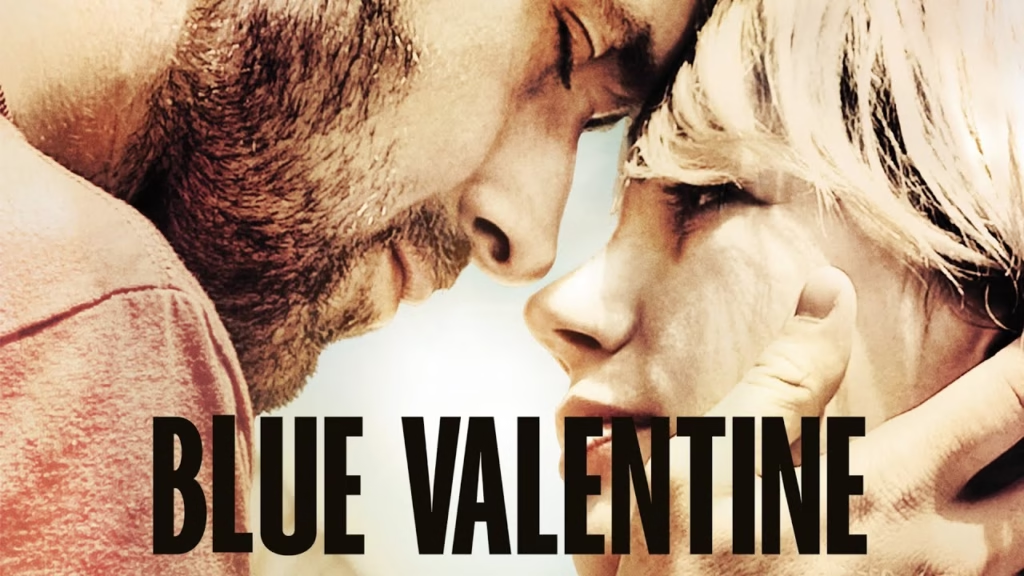
Blue Valentine (2010) is a raw and emotionally charged romantic drama directed by Derek Cianfrance, starring Michelle Williams and Ryan Gosling in two powerfully vulnerable performances. The story jumps between two timelines: the early days of Dean and Cindy’s relationship when everything felt exciting and full of potential, and several years later when their marriage is falling apart under emotional strain.
Instead of portraying love as a fairytale, the film examines what happens after the honeymoon period ends — when responsibility, routine, personal frustrations, and unspoken expectations begin to weigh heavily on a relationship. Through its realistic storytelling and grounded character development, the film paints a deeply relatable picture of love’s evolution from idealism to exhaustion.
Critics and audiences praised the film’s honesty, its natural performances, and its ability to capture the complexity of human emotion. Michelle Williams earned an Academy Award nomination for Best Actress, while Ryan Gosling received a Golden Globe nomination, marking Blue Valentine as one of the most acclaimed romantic dramas of the decade.
Blue Valentine – Official Trailer
What is “Blue Valentine” About?
The film follows Dean and Cindy at two very different stages of their lives together. In the past timeline, we see them falling in love with passion and curiosity, believing they can overcome any difficulty as long as they stay together. These scenes are warm, youthful, and full of hope — emphasizing the power of connection during the early romance phase.
The present-day timeline, however, shows a couple weighed down by life. Their communication has become strained, their dreams have diverged, and their emotional needs no longer feel fulfilled. They deeply love their daughter Frankie, but even parenthood cannot hold their relationship together.
The alternating scenes serve as a heartbreaking reminder that love, no matter how strong in the beginning, can fade if not nurtured and respected over time. The film avoids dramatic clichés and instead focuses on everyday details that slowly erode a relationship — disappointment, miscommunication, and fear of change.
Popularity & Cultural Impact
Since its release, Blue Valentine has become widely known as one of the most realistic portrayals of modern love in cinema. Many viewers and critics point to its emotional truth and subtle storytelling as what sets it apart from typical Hollywood romance films.
The film sparked many discussions about relationship pressures, gender roles, financial stress, and emotional labor within families. It also drew attention because of the controversy surrounding its initial NC-17 rating — which highlighted inequality in how intimacy is treated onscreen depending on the gender perspective.
Today, the film is frequently referenced in pop culture, film studies, and relationship analysis videos or essays. It is often used as an example of character-driven storytelling with unfiltered realism. For many viewers, Blue Valentine remains a painful but important reflection of how relationships can break not from betrayal or cruelty, but from slowly growing apart.
Why You Should Watch “Blue Valentine”
Blue Valentine is a must-watch for anyone who appreciates films that explore the complexities of love rather than idealize it. It shows romance in both its most beautiful and tragic forms, making the emotional experience feel incredibly immersive. Rather than offering solutions or judgments, the film invites viewers to understand both perspectives — Dean’s desperation to save the relationship and Cindy’s exhaustion from trying to carry it alone.
The movie also stands out due to its stunning acting and improvised dialogue, which make every moment feel authentic and spontaneous. Viewers who enjoy character-driven dramas will find plenty of depth in the emotional tension between the two leads.
Most importantly, the film encourages reflection on real-life relationships: how they begin, how they change, and what we must do to keep love alive through hardship. Anyone who has experienced heartbreak or the fear of love fading will connect with this story on a profound level.
Is “Blue Valentine” Worth Watching?
Yes — especially if you’re drawn to films that feel personal, intimate, and emotionally honest. Blue Valentine is not meant to comfort the viewer, but to reveal the truth that love requires ongoing work, communication, and mutual growth.
Some scenes may feel difficult to watch due to their emotional intensity, yet that discomfort is part of what makes the film so effective. Rather than a simple romance, it serves as a meaningful examination of why some relationships thrive while others crumble.
If you are looking for a deeper cinematic experience that sticks with you long after the credits roll, Blue Valentine is absolutely worth your time.
Cast and Characters
The film’s emotional success largely relies on its exceptional cast. Ryan Gosling and Michelle Williams offer two of the most nuanced performances of their careers, portraying Dean and Cindy with raw vulnerability and believable chemistry.
Dean is loving and playful but also struggles with emotional stagnation and low ambition. Cindy is intelligent and driven, yet burdened by disappointment and underappreciation. Their flaws make them feel human — not heroes, not villains.
Supporting characters — including Faith Wladyka as their daughter Frankie — help build a believable family dynamic. Small moments of tenderness and fear between parent and child show what is truly at stake in their failing marriage. Together, the cast makes the story feel heartbreakingly real.
Production & Release
The making of Blue Valentine was as unconventional as its storytelling. The script existed for years but struggled with financing until filming finally began in 2009. To help the actors fully embody their characters, director Derek Cianfrance had them:
-
Live together as a family
-
Buy real groceries on a tight budget
-
Use their own clothes and belongings
-
Create home videos as a couple
Many scenes were improvised, particularly moments of affection and conflict, giving the film a documentary-like authenticity. Different filming techniques were used to distinguish timelines — warm Super 16mm during the romance phase and colder digital footage for the collapsing marriage.
After premiering at Sundance and Cannes, the movie received a limited release in the United States on December 29, 2010, earning strong awards recognition and growing a large audience over time.
Critical Reception
Critics praised Blue Valentine for its astonishing emotional realism and the powerful performances of Williams and Gosling. Reviewers appreciated how the film avoided simple storytelling formulas and instead embraced complexity, nuance, and genuine character flaws.
It holds:
-
87% on Rotten Tomatoes — “emotionally gripping and beautifully acted”
-
81/100 on Metacritic — universal acclaim
Reviewers like Roger Ebert noted the brilliance in how the film contrasts rising love with fading love, showing both without judgment.
Blue Valentine appeared on numerous Best Films of 2010 lists and remains a highly respected drama within modern cinema.
Watch Order
There are no sequels or spin-offs:
✅ Blue Valentine (2010) — a complete and self-contained story.
Blue Valentine FAQ
Q: Is Blue Valentine a romance or a drama?
It is primarily a romantic drama focused on emotional struggle and relationship truth.
Q: Is the movie sad?
Yes — it deals with heartbreak and loss, but in a meaningful and realistic way.
Q: Is it okay to watch as a date movie?
It depends — many couples say it sparks important discussions, but it can be emotionally heavy.
Q: Is it based on real events?
No, but the director drew inspiration from real themes and experiences within relationships.
Conclusion
Blue Valentine is a brutally honest yet beautifully crafted film about love’s fragility. It shows how two people who once meant everything to each other can slowly lose their connection when life becomes overwhelming and communication breaks down. The film doesn’t offer a perfect ending or easy answers — instead, it portrays relationships the way they truly are: imperfect, emotional, and constantly evolving.
With masterful performances from Ryan Gosling and Michelle Williams, the film leaves a deep emotional impression and encourages viewers to reflect on what it means to truly love someone — not just in the beginning, but through every challenge that follows. For those who want a film with depth, authenticity, and lasting emotional impact, Blue Valentine remains one of the finest romantic dramas of the last two decades.
If you don’t know where to watch this Movie for FREE make sure to contact me via E-mail, or in the comments below. Thank you for reading and make sure to bookmark the site.
How useful was this post?
Click on a star to rate it!
Average rating 0 / 5. Vote count: 0
No votes so far! Be the first to rate this post.